
In today’s digital world, SMS verification has become a standard method for confirming user identity on apps, websites, and online platforms.
Many people also come across services like sms man, which claim to provide virtual numbers for receiving verification codes online.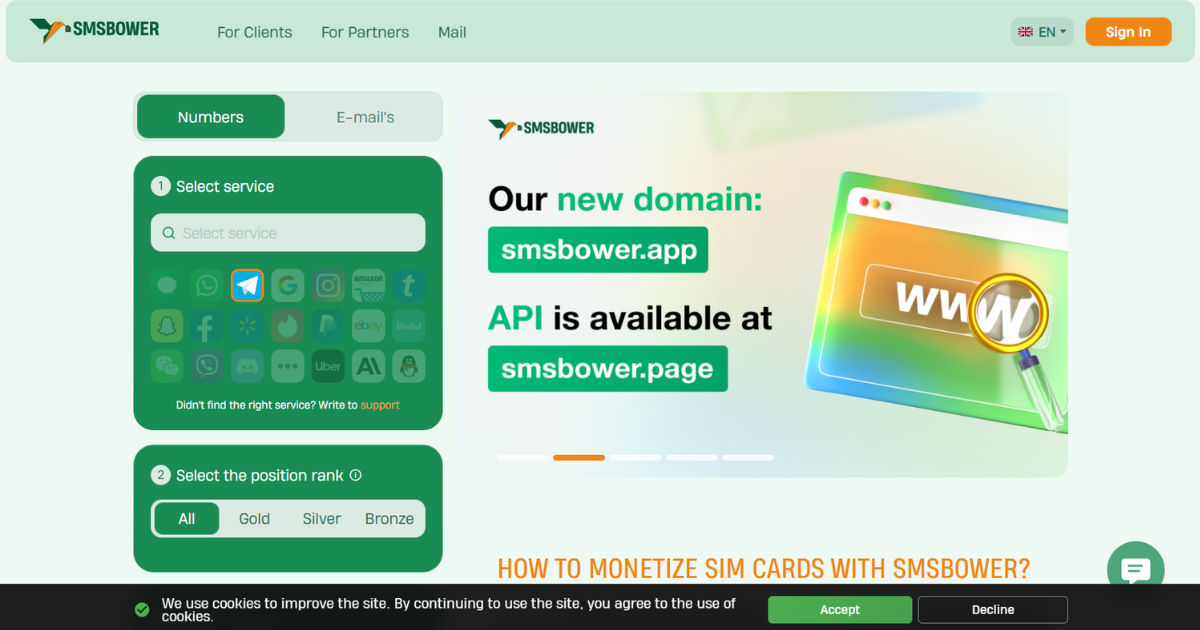
Understanding how sms man and similar platforms work requires knowing how SMS delivery systems function behind the scenes.
In this article, we will explain the complete process in a simple, educational way so that even a 12th-grade student can easily understand it.
We will explore how SMS verification works, how online SMS receiving services operate, how messages are delivered globally, and what risks and uses are associated with systems like sms man.
What is SMS Verification?
SMS verification is a security process used by online platforms to confirm that a real person is creating or accessing an account. It usually works like this:
- A user enters their phone number.
- The system sends a One-Time Password (OTP).
- The user enters the OTP to confirm identity.
This system is widely used by:
- Social media platforms
- Email services
- Banking apps
- E-commerce websites
The main purpose is to prevent fake accounts, bots, and unauthorized access.
Services like sms man are often mentioned in discussions about receiving these verification codes through alternative phone numbers.
What is an SMS Receiving Service?
An SMS receiving service is an online platform that provides temporary or virtual phone numbers. These numbers can receive text messages without needing a physical SIM card in the user’s device.
Platforms like sms man operate by renting or providing access to real SIM-based numbers located in different countries. These numbers can receive SMS messages sent by websites or apps during verification.
There are two main types:
1. Public or Shared Numbers
- Used by multiple users at the same time
- Messages are visible in a public dashboard
- Cheaper but less secure
2. Private Numbers
- Assigned to one user
- More secure and reliable
- More expensive
Many users search for services like sms man when they need temporary numbers for receiving SMS codes.
How SMS Delivery Works Globally
To understand how sms man receives SMS verification codes, we first need to understand how SMS travels from one place to another.
Step 1: User Requests OTP
A website or app sends a verification request to a telecom network.
Step 2: SMS Gateway Processes Request
The platform connects to an SMS gateway, which routes the message to the mobile network.
Step 3: Mobile Network Transfers SMS
The message goes through the Short Message Service Center (SMSC).
Step 4: Message Delivered to SIM
Finally, the message reaches the SIM card associated with the phone number.
Services like sms man rely on SIM cards connected to networks in different countries to receive these messages.
How Services Like sms man Receive SMS Verification Codes
Now let’s break down the core concept in simple terms.
Platforms such as sms man operate large systems that manage many SIM cards. These SIM cards are placed in SIM banks or GSM modem farms.
Here is how the process works:
1. SIM Bank Setup
A SIM bank is a hardware system that holds hundreds or thousands of SIM cards. Each SIM card has a real phone number.
2. Virtual Number Assignment
The system assigns these numbers to users temporarily. When someone selects a number on sms man, they are basically renting access to that SIM’s incoming messages.
3. SMS Reception
When a website sends an OTP:
- The SMS travels through telecom networks
- It reaches the SIM card inside the SIM bank
- The SMS is captured by software
4. Message Display Online
The SMS is then displayed on the user dashboard in real-time through the sms man platform.
This entire process usually takes just a few seconds.
Role of SMS Gateways and APIs
Behind services like sms man, SMS gateways play a crucial role. These gateways act as bridges between telecom networks and online platforms.
They allow:
- Sending SMS messages
- Receiving SMS messages
- Managing large volumes of traffic
In the case of sms man, the system focuses mainly on receiving messages rather than sending them.
APIs (Application Programming Interfaces) are also used to:
- Fetch incoming SMS data
- Display OTP codes on websites
- Automate number management
This automation is what makes services like sms man fast and scalable.
Why People Use SMS Receiving Platforms
There are several reasons why users choose services like sms man.
1. Privacy Protection
Some users do not want to share their personal phone number online.
2. Testing and Development
Developers use virtual numbers to test apps that require OTP verification.
3. Multiple Account Creation
Some users need more than one account on a platform.
4. Temporary Access
Users may need short-term access to services without using their real number.
Because of these reasons, platforms like sms man have become popular globally.
Types of SMS Verification Systems
To understand the environment where sms man operates, we must also understand verification types.
1. Basic OTP Verification
- One code sent via SMS
- Used for login or signup
2. Two-Factor Authentication (2FA)
- Requires password + SMS code
- More secure
3. Multi-Step Verification
- May include email, SMS, and app verification
SMS receiving services like sms man interact mainly with OTP-based systems.
Technical Infrastructure Behind sms man
The system architecture behind sms man is complex and includes several components.
1. SIM Hosting Servers
These are physical machines that hold SIM cards.
2. GSM Modems
Devices that connect SIM cards to the internet and telecom networks.
3. Cloud Dashboard
A web interface where users select numbers and view SMS messages.
4. Routing Software
Software that ensures SMS messages are delivered to the correct user dashboard.
This infrastructure allows sms man to handle thousands of messages simultaneously.
Advantages of SMS Receiving Services
Platforms like sms man offer certain advantages when used responsibly:
1. Easy Access
Users can get numbers instantly without buying SIM cards.
2. Global Coverage
Numbers from different countries are available.
3. Convenience
No need for physical devices or SIM swapping.
4. Fast Verification
OTP codes appear within seconds.
These benefits explain why sms man and similar platforms are widely used.
Risks and Limitations
While services like sms man are convenient, they also come with risks.
1. Privacy Concerns
Public numbers may expose SMS messages to other users.
2. Account Blocking
Many platforms detect virtual numbers and may block accounts.
3. Security Issues
Shared numbers can be accessed by multiple users.
4. Reliability Problems
Not all SMS messages are delivered successfully.
Users must understand these limitations before relying on sms man or similar services.
Legal and Ethical Considerations
SMS verification systems are designed to protect digital platforms. Using services like sms man in the wrong way can violate terms of service of websites.
Ethical use includes:
- App testing
- Software development
- Privacy protection
Unethical use may include:
- Bypassing restrictions
- Creating fake accounts
- Misusing platform policies
It is important to use sms man responsibly and within legal boundaries.
Security Impact on Online Platforms
Websites and apps invest heavily in preventing abuse from virtual number systems like sms man.
They use:
- Number detection algorithms
- IP tracking
- Device fingerprinting
- Behavioral analysis
These systems help platforms identify suspicious activity and block automated or fake registrations.
Future of SMS Verification Systems
The digital world is gradually moving beyond SMS-only verification.
Future trends include:
- App-based authentication (like Google Authenticator)
- Biometric verification (fingerprint, face ID)
- Email-based OTP systems
- Hardware security keys
However, SMS verification will still remain important for many years, especially in regions where smartphone technology is still developing.
Services like sms man may also evolve with these changes, adapting to new technologies and regulations.
Alternatives to SMS Receiving Services
Instead of using services like sms man, users can consider:
1. Secondary SIM Cards
A physical SIM dedicated to online registrations.
2. Email Verification
Many platforms allow email-based OTPs.
3. Authenticator Apps
Apps like Google Authenticator provide secure codes without SMS.
4. Virtual eSIMs
Modern digital SIM solutions with better security.
These alternatives are often more secure and reliable.
Common Misunderstandings About sms man
Many people misunderstand how sms man works. Let’s clear some of them:
Misunderstanding 1: It generates fake numbers
In reality, it uses real SIM-based numbers.
Misunderstanding 2: It hacks SMS messages
It does not hack anything; it receives messages through normal telecom routing.
Misunderstanding 3: It guarantees anonymity
Not always true, as systems can still track usage patterns.
Understanding the truth helps users make informed decisions about sms man.
Educational Summary of the Process
To summarize the full flow:
- Website sends OTP
- Telecom network routes SMS
- SIM card receives message
- SIM bank captures SMS
- System forwards message online
- User sees OTP on dashboard
This is the core mechanism behind how sms man receives SMS verification messages.
Conclusion
SMS verification is a key part of modern digital security, ensuring that users are real and accounts remain protected. Services like sms man operate by connecting large networks of SIM cards and SMS routing systems that allow users to receive verification codes online without using their personal phone numbers.
While sms man provides convenience, privacy options, and global accessibility, it also comes with risks such as account bans, privacy exposure, and reliability issues. Understanding how it works helps users make better decisions about when and how to use such services responsibly.
In the end, SMS receiving systems are part of a broader technological ecosystem that includes telecom networks, SMS gateways, SIM banks, and cloud platforms. As technology continues to evolve, new verification methods may reduce reliance on SMS, but for now, systems like sms man remain an important part of the digital communication landscape.