Vehicle body panels play an important role in a car's appearance, safety, and overall structure. Whether a vehicle has been involved in an accident, suffered corrosion, or developed damage from everyday driving, replacing a damaged panel can help restore its original condition. Many vehicle owners wonder whether a body shop south east london can replace panels or whether repairs are always the better option. 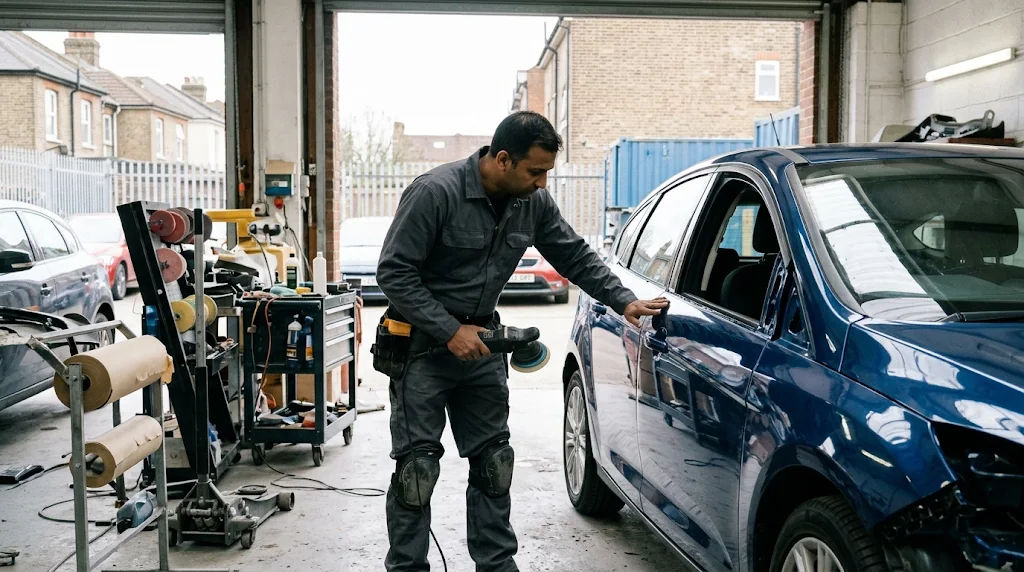 The answer is yes. Professional body shops can replace several types of vehicle panels, including doors, wings, bumpers, bonnets, boot lids, and other exterior components. The exact work depends on the vehicle's design, the extent of the damage, and whether replacement parts are available.
Understanding how panel replacement works can help vehicle owners make informed decisions. From choosing suitable replacement parts to checking paint finishes, several important steps contribute to a successful repair. This guide explains what panel replacement involves, which panels can be replaced, how long the process takes, and what to consider before arranging professional bodywork.
Vehicle Panel Replacement
Vehicle panel replacement involves removing a damaged exterior section and fitting a suitable replacement. It is commonly required when a panel has extensive dents, cracks, corrosion, or structural damage that cannot be repaired effectively.
Modern vehicles contain several individual panels designed to work together. Some are attached using bolts, while others are welded or bonded to the vehicle's body structure.
The replacement method depends on the specific component.
Why Do Vehicle Panels Need Replacing?
There are several reasons why a vehicle might require panel replacement.
Accident damage: A collision can leave doors, wings, bumpers, and bonnets badly damaged. When repairs cannot restore their original shape reliably, replacement may be appropriate.
Rust and corrosion: Older vehicles sometimes develop corrosion around wheel arches, door edges, and lower body sections. Extensive corrosion can make replacement more practical than repeated repairs.
Severe dents: Minor dents can often be removed using specialist techniques. However, badly distorted panels may need replacing.
Cracks and broken fittings: Plastic bumpers and certain exterior components can crack during accidents. Depending on their condition, replacing them may provide a more reliable result.
Previous poor repairs: Incorrectly repaired panels may have uneven surfaces, paint problems, or signs of previous damage. Replacement can sometimes provide a better starting point.
Is Panel Replacement Better Than Repairing?
Not every damaged panel needs replacement. Professional technicians normally inspect the affected area before recommending a solution.
Repairing a panel may be suitable when the damage is relatively minor and the original material remains in good condition.
Replacement may be preferable when:
-
The panel has extensive structural deformation.
-
Metal has stretched beyond practical repair.
-
Corrosion has significantly weakened the material.
-
Plastic components have substantial cracks.
-
Mounting points or important fittings are damaged.
-
Previous repairs have affected the panel's condition.
A proper inspection helps prevent unnecessary replacement costs while ensuring that the selected repair method is suitable.
Which Vehicle Panels Can a Body Shop Replace?
A professional body shop south east london can usually replace many exterior vehicle panels. However, availability and repair methods vary depending on the manufacturer, model, and construction of the vehicle.
Understanding the main replacement options helps owners know what to expect.
Front and Rear Bumpers
Bumpers are among the most frequently damaged exterior components.
They can suffer cracks, scratches, dents, and broken mounting brackets during parking incidents or road accidents.
A damaged bumper may sometimes be repaired using specialist plastic repair techniques. However, extensive cracks or broken attachment points can make replacement necessary.
During replacement, technicians check the mounting brackets, parking sensors, wiring, and other connected components.
Modern bumpers may also contain radar sensors and cameras. These systems must be checked and, where necessary, recalibrated following repairs.
Vehicle Doors
Doors can become damaged during side impacts, parking accidents, and collisions with other vehicles.
A damaged door may develop deep dents, alignment problems, or issues with its locking mechanism.
If the damage is extensive, a technician may recommend replacing the complete door assembly or an appropriate door component.
The replacement process can involve transferring suitable parts, including:
-
Window glass and regulators.
-
Door handles and locks.
-
Electrical switches.
-
Speakers and wiring.
-
Interior trim.
-
Mirrors, where applicable.
Correct door alignment is particularly important. A properly fitted door should close smoothly, maintain consistent gaps, and provide suitable sealing against rain and wind.
Front Wings and Rear Quarter Panels
Front wings, also known as fenders, cover the areas around the front wheels.
They can become damaged by minor collisions, road debris, and parking incidents.
Many front wings are bolted onto the vehicle, making replacement relatively straightforward compared with certain structural body components.
Rear quarter panels are different. They are often integrated into the vehicle's body structure and may require specialist cutting, welding, and finishing procedures.
A qualified technician must follow the manufacturer's repair information when replacing these sections.
Bonnet and Boot Lid
Bonnets and boot lids can suffer dents, bending, and damage to their edges or locking mechanisms.
If a bonnet becomes badly distorted, it may not close securely. Similarly, a damaged boot lid can create problems with access, alignment, and weather protection.
Replacing these components can restore the vehicle's exterior appearance and functionality.
Technicians normally check hinges, locks, handles, seals, and alignment before completing the job.
Sills and Other Body Sections
Vehicle sills are located beneath the doors and contribute to the body's overall structure.
Unlike many removable exterior panels, sills can form an important part of the vehicle's structural framework.
If a sill is damaged or corroded, repairs must be carried out carefully using suitable materials and approved procedures.
This type of work requires particular attention because incorrect repairs can affect vehicle strength and safety.
How Does the Panel Replacement Process Work?
Panel replacement involves more than simply removing an old component and installing another one.
A professional body shop south east london generally follows a structured process to ensure the replacement fits correctly and the finished vehicle looks consistent.
Step 1: Initial Vehicle Inspection
The first stage involves examining the damaged area.
Technicians identify visible damage and check surrounding components for problems that might not be immediately noticeable.
For example, a damaged front wing could also indicate problems with its mounting brackets, wheel arch liner, or nearby structural sections.
The inspection helps determine whether the panel should be repaired or replaced.
Step 2: Choosing the Replacement Panel
Once replacement has been recommended, suitable parts must be identified.
There are several possible options:
Original Equipment Manufacturer (OEM) parts: These are produced by the vehicle manufacturer or its approved suppliers.
Aftermarket parts: These are manufactured by independent companies and may provide an alternative to original components.
Used panels: Second-hand panels can sometimes be sourced from suitable donor vehicles.
Each option has different considerations involving price, availability, condition, and compatibility.
The replacement part should match the vehicle's exact model, specification, and production details.
Step 3: Removing the Damaged Panel
The technician carefully removes the damaged component.
This may involve removing bolts, clips, trim, seals, electrical connections, or other attached fittings.
For welded panels, specialist procedures may be required.
The surrounding vehicle structure must be protected during removal to prevent additional damage.
Step 4: Preparing the Replacement
Before fitting the new panel, technicians inspect it for damage and check its compatibility.
Depending on the component, preparation may include cleaning, test fitting, surface preparation, and protective treatment.
The purpose is to ensure that the replacement is suitable before permanent installation begins.
Step 5: Fitting and Alignment
The replacement panel is positioned and secured using the appropriate method.
Technicians check panel gaps, edges, alignment, and attachment points.
Doors, bonnets, and boot lids require particular attention because their movement and closing mechanisms must operate correctly.
Any alignment problems should be corrected before painting and final finishing.
Step 6: Painting and Colour Matching
A replacement panel may need painting to match the rest of the vehicle.
Professional refinishing involves preparing the surface, applying suitable primer, matching the paint colour, and adding the required finishing coats.
Colour matching is important because vehicle paint can fade over time due to sunlight and weather exposure.
Technicians may use paint codes and colour-matching equipment to achieve a consistent finish.
Depending on the colour and vehicle design, blending adjacent panels may also be necessary to reduce visible differences.
Step 7: Final Inspection
Once installation and painting are complete, the vehicle should receive a final inspection.
This normally includes checking:
-
Panel alignment and gaps.
-
Paint consistency.
-
Door and bonnet operation.
-
Locks and handles.
-
Electrical connections.
-
Sensors and cameras.
-
Seals and weather protection.
-
Overall appearance.
Any relevant safety systems should also be checked according to manufacturer requirements.
How Long Does Panel Replacement Take?
The time required depends on the panel, the extent of surrounding damage, and the availability of replacement parts.
Some straightforward replacements can be completed relatively quickly, while more complicated work may require several days.
Here is a general guide:
|
Replacement work |
Possible timeframe |
|---|---|
|
Simple bolt-on wing |
1–2 working days |
|
Bumper replacement |
1–3 working days |
|
Door replacement |
2–4 working days |
|
Bonnet replacement |
1–3 working days |
|
Boot lid replacement |
1–3 working days |
|
Structural panel replacement |
Several days or longer |
These are general estimates rather than guaranteed completion times.
Painting, parts delivery, additional accident damage, and specialist calibration can extend the repair period.
A repairer should provide an estimated schedule after inspecting the vehicle.
What Affects the Cost of Panel Replacement?
The cost of replacing a vehicle panel depends on several factors.
Understanding these expenses can help owners compare quotations and plan their budgets.
Type of Replacement Panel
Different panels have different prices.
A simple bolt-on wing may cost less to replace than a complex door assembly containing electrical equipment and specialist fittings.
Structural sections can involve additional labour and equipment.
Original or Aftermarket Parts
OEM components may cost more than some aftermarket alternatives.
However, the cheapest replacement is not necessarily the best choice.
Compatibility, material quality, fit, and manufacturer requirements should all be considered.
Labour Charges
Panel replacement requires trained technicians, appropriate equipment, and workshop time.
The labour cost depends on how complicated the removal and installation process is.
Welding, structural alignment, and additional mechanical work may increase the overall price.
Painting and Finishing
Paint preparation and colour matching can represent a significant part of the total cost.
Metallic and specialist paint finishes may require additional work to achieve a consistent appearance.
If surrounding panels need blending, this can also affect the quotation.
Hidden Damage
Some problems only become visible after the damaged panel has been removed.
For example, an accident involving a front bumper may also affect brackets, lights, wiring, or nearby body sections.
Additional work should be explained before it is carried out.
How to Choose a Reliable Panel Replacement Specialist
Choosing an appropriate repairer is important because poor panel installation can affect appearance, functionality, and safety.
When comparing a body shop south east london, consider more than just the quoted price.
Check Experience and Technical Knowledge
Look for technicians with experience working on your vehicle's make and model.
Modern vehicles contain different materials, joining methods, and electronic systems.
A repairer should understand the correct procedures for the specific vehicle.
Ask About Replacement Parts
Find out whether the workshop uses OEM, aftermarket, or used components.
Ask how the parts are checked for quality and compatibility.
A reliable repairer should explain the available choices and any relevant differences.
Review Previous Work
Photographs of completed repairs can help demonstrate a workshop's experience.
Pay attention to panel alignment, paint consistency, and the quality of the finished work.
Customer feedback may also provide useful information about communication, reliability, and service quality.
Request a Written Estimate
A written quotation should explain the expected work and associated costs.
Ideally, it should include:
-
Replacement panel costs.
-
Labour charges.
-
Painting and finishing.
-
Additional materials.
-
Any required calibration.
-
Estimated completion time.
-
Warranty information.
Having these details in writing makes it easier to understand what is included.
Ask About Repair Guarantees
Find out whether the workshop provides a warranty covering its workmanship and paint finish.
Also check whether replacement parts have separate manufacturer warranties.
The terms should be clear before the work begins.
Can Insurance Cover Vehicle Panel Replacement?
In some situations, vehicle insurance may cover the cost of replacing damaged panels.
However, coverage depends on the policy, the circumstances of the accident, and the insurer's assessment.
Comprehensive policies may cover certain accidental damage, subject to applicable exclusions and excess payments.
Third-party-only insurance generally does not cover damage to the policyholder's own vehicle.
Before arranging repairs, consider the following steps:
-
Contact your insurer and report the incident.
-
Provide photographs and relevant accident information.
-
Ask whether an approved repairer must be used.
-
Confirm the policy excess.
-
Request clarification about replacement-part requirements.
-
Check whether additional damage requires further authorisation.
Some policies allow customers to choose their own repairer, while others have specific conditions.
It is worth checking these details before approving the work.
Can Replaced Panels Affect a Car's Value?
Panel replacement does not automatically make a vehicle unsafe or unsuitable for resale.
The impact on resale value depends on the type of damage, the quality of the repair, and whether the vehicle's original structural integrity has been maintained.
Replacing a damaged bolt-on door or wing professionally may have a limited effect compared with a vehicle that has suffered significant structural damage.
However, buyers may ask questions about previous accident repairs.
Keeping invoices, repair photographs, and details of replacement parts can help demonstrate that the work was completed professionally.
Honest maintenance and accident records can also make future vehicle inspections easier.
Important Things to Check After Panel Replacement
Once the vehicle has been returned, take some time to inspect the completed work.
A careful inspection helps identify any issues that may need attention.
Examine the Panel Gaps
Look at the spaces between the replaced panel and neighbouring components.
The gaps should appear reasonably consistent with the surrounding factory design.
Uneven gaps may indicate an alignment problem.
Check the Paint Finish
Inspect the painted area in natural daylight where possible.
Look for obvious colour differences, uneven coverage, or imperfections in the finish.
A professional paint job should blend naturally with the surrounding bodywork.
Test Moving Components
If a door, bonnet, or boot lid has been replaced, open and close it several times.
It should operate smoothly without unusual resistance or movement.
Check that locks and handles work correctly.
Check Electrical Features
Modern panels may contain electrical components such as mirrors, cameras, sensors, and window mechanisms.
Make sure relevant features operate as expected.
If a warning light appears or a sensor behaves unusually, contact the repairer for an inspection.
Keep Repair Documentation
Store the invoice, parts information, warranty details, and any photographs provided by the workshop.
These records can be useful for insurance claims, future maintenance, and vehicle resale.
Common Mistakes to Avoid When Replacing Vehicle Panels
Vehicle owners can make better repair decisions by avoiding several common mistakes.
Choosing the cheapest quotation without checking quality: Low prices may not include painting, suitable replacement parts, or additional work.
Ignoring hidden damage: Replacing an exterior panel without inspecting nearby components can leave other problems unresolved.
Using incompatible parts: A panel designed for a different model or specification may not fit correctly.
Overlooking paint matching: A replacement panel that does not match the surrounding paint can make the vehicle look poorly repaired.
Failing to check safety systems: Sensors, cameras, and other electronic equipment may require inspection or recalibration.
Not requesting written details: Verbal estimates can create misunderstandings about the work included and the expected cost.
Taking time to understand the repair process can help prevent unnecessary expenses and disappointing results.
Conclusion
Yes, a professional body shop can replace many types of vehicle panels, including doors, bumpers, front wings, bonnets, boot lids, and certain structural body sections. The correct approach depends on the type of damage, the vehicle's construction, and the availability of suitable replacement components.
Choosing an experienced body shop south east london can help ensure that damaged panels are assessed properly, suitable parts are selected, and replacement work is completed to an appropriate standard. Professional installation, accurate alignment, and careful paint matching are all important parts of achieving a satisfactory result.
Before agreeing to any repair, ask for a detailed inspection and written quotation. Understand whether the workshop recommends repairing or replacing the damaged panel, which parts will be used, and whether painting or electronic calibration is included.
It is also important to check the completed work carefully. Consistent panel gaps, smooth operation, an appropriate paint finish, and properly functioning electrical features all contribute to a successful repair.
Ultimately, panel replacement is a practical solution when vehicle damage is too extensive for reliable repair. With suitable parts, qualified technicians, and proper finishing procedures, a damaged vehicle can regain its appearance, functionality, and roadworthiness.