
A water heater is an essential part of a comfortable home. It provides hot water for showers, washing dishes, laundry, and everyday cleaning. However, like any household appliance, it requires regular maintenance and occasional repairs to operate safely. One important component that homeowners should never overlook is the temperature and pressure relief valve. This small safety device protects the water heater from excessive temperature and pressure that could otherwise create dangerous conditions.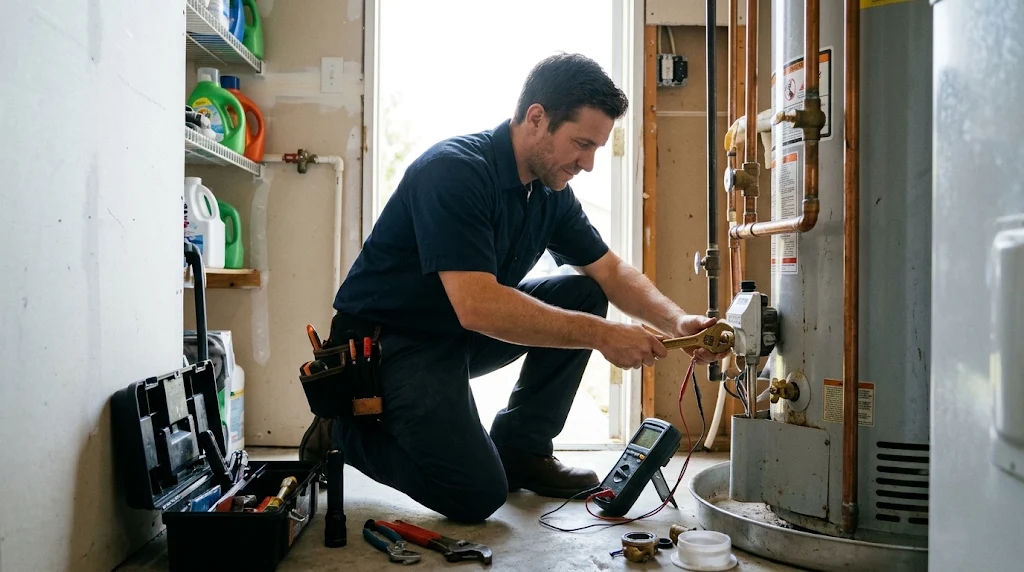
When a relief valve starts leaking, becomes damaged, or fails to operate correctly, homeowners often wonder whether it can be repaired or needs complete replacement. Understanding the available solutions helps prevent unnecessary expenses and protects the household. Professional Water Heater Repair Albuquerque NM services can inspect relief valves, identify the source of problems, and determine whether repair or replacement is the appropriate solution.
The good news is that most relief valve problems can be addressed by a qualified plumbing professional. However, the correct approach depends on the valve's condition, the water heater's age, and the underlying cause of the malfunction. Learning how these components work and recognizing common warning signs can help homeowners make informed decisions about their water heating systems.
Purpose of a Water Heater Relief Valve
A temperature and pressure relief valve, commonly called a T&P valve, is an essential safety component installed on most conventional storage water heaters. Its primary purpose is to release excess pressure or temperature when conditions inside the tank become unsafe.
Water expands as it heats. In a closed plumbing system, this expansion can increase pressure inside the water heater. Similarly, a malfunctioning thermostat or heating element may cause the water temperature to rise beyond its normal operating range.
The relief valve provides an important safety mechanism by opening when temperature or pressure reaches its designated limit.
How Does a Relief Valve Work?
A typical T&P valve contains a temperature-sensitive element and a pressure-operated mechanism. These components monitor conditions inside the water heater.
When the water temperature or pressure exceeds the valve's rated limit, the mechanism opens and releases hot water through a discharge pipe. Once the conditions return to an acceptable level, the valve is designed to close.
This process helps protect the water heater from dangerous pressure buildup.
Why Is the Valve Important?
Without a properly functioning relief valve, excessive heat and pressure could damage the water heater tank, plumbing connections, and surrounding equipment.
The valve also helps protect household occupants from potential equipment failures. For this reason, it should never be removed, blocked, capped, or modified to prevent water discharge.
Professional Water Heater Repair Albuquerque NM technicians understand the importance of maintaining this safety feature and checking its operation during appropriate inspections.
Can Water Heater Repair Albuquerque NM Fix Relief Valves?
Yes, professional plumbers can address many relief valve problems. However, whether a valve can be repaired or needs replacement depends on the specific issue.
Some problems originate from surrounding plumbing conditions rather than the valve itself. For example, excessive water pressure or thermal expansion may cause a correctly functioning valve to release water.
In other situations, the valve itself may have developed internal corrosion, mineral buildup, or mechanical damage.
A qualified technician can investigate these possibilities and recommend the appropriate solution.
Identifying the Actual Problem
The first step involves examining the water heater and its relief valve. A technician may inspect the valve body, discharge pipe, plumbing connections, and other related components.
They may also evaluate the water heater's operating temperature and pressure.
This inspection helps determine whether the problem involves the valve, the plumbing system, or another water heater component.
Repairing the Surrounding Plumbing System
Not every relief valve problem requires replacing the valve.
For example, excessive pressure caused by a faulty pressure-reducing valve may need attention elsewhere in the plumbing system. Similarly, thermal expansion may require a properly sized and maintained expansion tank.
Addressing the underlying issue can prevent repeated relief valve discharge.
Replacing a Defective Valve
If the valve is corroded, damaged, leaking through its body, or no longer operates correctly, replacement is generally the appropriate solution.
Because this component performs an essential safety function, technicians should use a correctly rated replacement that matches the water heater manufacturer's specifications.
Water Heater Repair Albuquerque NM professionals can assess compatibility and ensure the replacement is installed according to applicable requirements.
Common Signs of a Faulty Water Heater Relief Valve
Recognizing early warning signs can help homeowners arrange an inspection before a minor problem develops into a larger plumbing concern.
Several symptoms may indicate that the relief valve or another part of the water heating system needs attention.
Water Dripping From the Discharge Pipe
One of the most recognizable signs is water dripping from the relief valve discharge pipe.
Occasional discharge may occur when the valve responds to excessive pressure or temperature. However, continuous dripping should not be ignored.
It may indicate excessive system pressure, thermal expansion, an incorrectly operating valve, or another underlying problem.
A plumber should determine the cause rather than simply replacing the valve without investigating.
Continuous Water Leakage
If water continues escaping from the valve even when the water heater appears to be operating normally, the valve may have internal damage or mineral deposits preventing it from closing properly.
In some cases, sediment can interfere with the valve's sealing surfaces.
A professional inspection can determine whether replacement is necessary.
Unusual Water Temperature
Unexpectedly hot water may indicate a thermostat problem or another heating control issue.
Because the relief valve responds to excessive temperature, unusual water temperatures should be investigated promptly.
Homeowners should not assume that replacing the valve alone will correct an overheating problem.
Visible Corrosion
Rust, mineral deposits, or deterioration around the valve may indicate aging or water-related damage.
Corrosion can affect the valve's ability to operate reliably. A qualified technician can examine its condition and recommend replacement when necessary.
What Causes Water Heater Relief Valve Problems?
Several factors can contribute to relief valve failure or unwanted water discharge.
Understanding these causes helps homeowners recognize why professional diagnosis is important.
Excessive Water Pressure
High incoming water pressure can place additional stress on plumbing fixtures and water heater components.
If pressure becomes too high, the relief valve may open to release excess pressure.
A pressure-reducing valve may need inspection or adjustment by a qualified professional.
Thermal Expansion
Water expands when heated. In plumbing systems with check valves, pressure-reducing valves, or other devices that create a closed system, this expansion can increase pressure inside the water heater.
An expansion tank is commonly used to accommodate this additional volume.
If the tank is missing, incorrectly sized, or malfunctioning, the relief valve may discharge water repeatedly.
Mineral Deposits and Sediment
Albuquerque's water conditions can contribute to mineral buildup in plumbing equipment.
Over time, mineral deposits may accumulate around the valve's internal components. These deposits can interfere with proper sealing and operation.
Regular professional maintenance helps identify developing mineral-related problems.
Aging and Mechanical Wear
Like other plumbing components, relief valves experience wear over time.
Internal springs, seals, and other mechanical parts may deteriorate through repeated exposure to heat and water pressure.
An older valve may eventually require replacement even if the rest of the water heater remains functional.
How Professionals Inspect and Replace Relief Valves
A professional inspection involves more than looking at the visible portion of the valve.
Technicians evaluate the water heater's overall condition and investigate factors that may affect the relief valve.
Step 1: Initial System Assessment
The technician begins by examining the water heater, its connections, and the visible discharge pipe.
They look for leakage, corrosion, installation problems, and signs of excessive temperature or pressure.
They may also review the manufacturer's specifications and the system's maintenance history.
Step 2: Checking Pressure and Temperature
The next step involves determining whether the water heater is operating within its intended temperature and pressure ranges.
If readings indicate excessive pressure or overheating, the technician investigates the related plumbing controls and heating components.
This step is important because replacing a relief valve without correcting the underlying cause may not solve recurring problems.
Step 3: Determining Whether Replacement Is Necessary
After evaluating the system, the technician decides whether the valve can remain in service or should be replaced.
A valve with significant corrosion, mechanical damage, or unreliable operation generally requires replacement rather than an attempted repair.
Step 4: Installing the Correct Replacement
If replacement is necessary, the plumber selects a valve that meets the water heater manufacturer's requirements.
The valve's pressure and temperature ratings, connection size, and installation specifications must be appropriate for the equipment.
The discharge piping must also meet applicable plumbing requirements.
Step 5: Final Safety Inspection
After completing the work, the technician checks the installation and evaluates the water heater for remaining problems.
The goal is to confirm that the system operates correctly and that the relief valve can perform its intended safety function.
Professional Water Heater Repair Albuquerque NM services can provide this complete assessment rather than treating visible leakage as an isolated issue.
Why Professional Relief Valve Repair Matters in Albuquerque
Local environmental and plumbing conditions can influence water heater maintenance requirements.
Albuquerque homeowners may encounter mineral buildup, changing water pressure, and equipment wear that affect plumbing performance.
Working with an experienced local plumbing professional offers several advantages.
Understanding Local Water Conditions
Mineral content can contribute to scale formation inside plumbing equipment.
A technician familiar with local water conditions can identify potential mineral-related problems and recommend suitable maintenance practices.
Following Plumbing and Safety Requirements
Relief valve installation must follow manufacturer instructions and applicable plumbing codes.
Incorrect installation can prevent the valve from performing properly.
Professional service helps ensure that the replacement component and discharge arrangement meet the relevant requirements.
Identifying Related Water Heater Problems
A leaking relief valve may be a symptom of a larger problem.
An experienced technician can inspect other components, including the thermostat, heating elements, expansion tank, and pressure controls.
This broader approach can reduce the likelihood of recurring problems.
Can a Relief Valve Be Repaired Instead of Replaced?
The answer depends on the type of damage.
Some issues involving the surrounding plumbing system can be corrected without replacing the valve. For example, excessive pressure or thermal expansion may require repairs elsewhere.
However, a defective safety valve should generally be replaced rather than disassembled or modified in an attempt to restore its operation.
When Replacement Is the Better Option
Replacement is usually recommended when:
-
The valve body shows significant corrosion.
-
Water continues leaking because the internal sealing mechanism is damaged.
-
Mineral deposits prevent reliable operation.
-
The valve fails an appropriate professional inspection.
-
The component is incompatible with the water heater.
-
Its age or condition makes reliable operation uncertain.
A professional should determine the appropriate replacement based on the equipment's specifications.
Why Improper Repairs Are Dangerous
The relief valve is not an ordinary plumbing fixture.
Blocking its outlet, installing an incorrect component, or modifying its internal mechanism can compromise the water heater's safety protection.
Homeowners should never cap a leaking discharge pipe or attempt to disable the valve.
If the valve is releasing substantial hot water, the situation requires prompt professional attention. Keep away from the discharge because the water may cause serious burns.
If there are signs of overheating, unusual pressure, or significant leakage, arrange an urgent inspection and follow the manufacturer's emergency guidance.
How Much Does Water Heater Relief Valve Replacement Cost?
The cost of replacing a relief valve depends on several factors.
Although the valve itself is generally less expensive than replacing an entire water heater, the total service cost includes labor and any additional repairs.
Type of Water Heater
Different water heater models may require different valve specifications.
A conventional storage water heater may have a relatively straightforward replacement, while certain specialized systems can require additional work.
Labor and Accessibility
The valve's location and accessibility influence installation time.
If the technician needs to address surrounding plumbing connections or correct an installation problem, the labor cost may increase.
Additional Plumbing Repairs
Sometimes the relief valve is functioning correctly but responding to another issue.
For example, a faulty expansion tank or pressure regulator may need attention.
Water Heater Repair Albuquerque NM providers can evaluate the complete system and explain which repairs are necessary before proceeding.
Homeowners should request a clear estimate that separates replacement costs from additional recommended work.
How to Maintain a Water Heater Relief Valve
Routine maintenance helps identify potential problems before they become more serious.
Although relief valve inspections should be handled appropriately, homeowners can also pay attention to general water heater performance.
Schedule Professional Inspections
Periodic professional inspections help evaluate the water heater's condition, safety controls, and plumbing connections.
A technician can identify corrosion, mineral deposits, pressure concerns, and other developing issues.
Monitor Unusual Leakage
Pay attention to water appearing around the water heater or discharge pipe.
Persistent dripping or unexpected discharge should receive professional attention.
Do not assume that a small leak is harmless.
Maintain Proper Water Temperature
The water heater should operate within the manufacturer's recommended temperature range.
A qualified technician can evaluate the thermostat and heating controls if water becomes unusually hot.
Address Pressure Problems
If the home's water pressure is excessive, the underlying plumbing problem should be corrected.
Appropriate pressure regulation and thermal expansion management help protect the water heater and other plumbing components.
Avoid DIY Valve Modifications
Homeowners should never block, cap, or disable the relief valve.
Testing or servicing the valve can release hot water and requires appropriate precautions. Follow manufacturer guidance and have a qualified professional perform inspections or maintenance when needed.
Choosing the Right Water Heater Repair Professional in Albuquerque
Selecting a qualified plumber is an important part of protecting a home's water heating system.
Not every repair company offers the same level of experience, inspection quality, or customer service.
Check Licensing and Experience
Look for a properly licensed plumbing professional with experience servicing residential water heaters.
Experience with different water heater brands and models can be particularly useful when diagnosing relief valve problems.
Ask About Diagnostic Procedures
A reliable technician should explain how they will investigate the problem.
Ask whether the inspection includes checking water pressure, temperature controls, thermal expansion, and the valve itself.
Request Clear Pricing
Before approving the work, request an estimate covering labor, replacement components, and any additional repairs.
A clear explanation helps homeowners understand the service and avoid unexpected expenses.
Review Warranty Information
Ask about warranties covering replacement parts and installation labor.
It is also useful to understand whether the new valve is covered by the manufacturer's warranty or the plumbing company's service guarantee.
Conclusion
A water heater relief valve is one of the most important safety components in a residential water heating system. It protects against excessive temperature and pressure by releasing water when operating conditions become unsafe. Although the component is relatively small, its proper operation is essential for protecting the equipment and household occupants.
Professional Water Heater Repair Albuquerque NM services can diagnose many relief valve problems and determine whether the valve needs replacement or whether another plumbing issue is responsible. Problems such as excessive water pressure, thermal expansion, mineral buildup, corrosion, and mechanical wear can all contribute to leakage or unreliable operation.
The most important consideration is identifying the actual cause rather than simply stopping visible water discharge. A valve that continues leaking may be defective, but it may also be responding correctly to excessive system pressure or temperature. Proper diagnosis ensures that the appropriate problem receives attention.
Homeowners should never block, cap, or modify a relief valve to stop water from escaping. Doing so can remove an essential safety feature and create dangerous operating conditions. Instead, arrange a professional inspection when persistent leakage, corrosion, unusual water temperatures, or other warning signs appear.
With appropriate maintenance, timely repairs, and correctly installed replacement components, homeowners can help their water heaters operate more reliably. Choosing an experienced plumbing professional also provides confidence that the relief valve and related safety systems receive the attention they deserve.
Ultimately, maintaining a properly functioning relief valve is not simply about preventing leaks. It is about preserving the safety, efficiency, and dependable performance of the entire water heating system.