
Tree care is an essential aspect of maintaining a healthy, vibrant landscape. Proper pruning ensures that trees grow strong, look appealing, and remain safe for people and property. If you live in Canberra, you likely understand the importance of tree maintenance, especially since our region experiences unique weather conditions that can affect tree health.
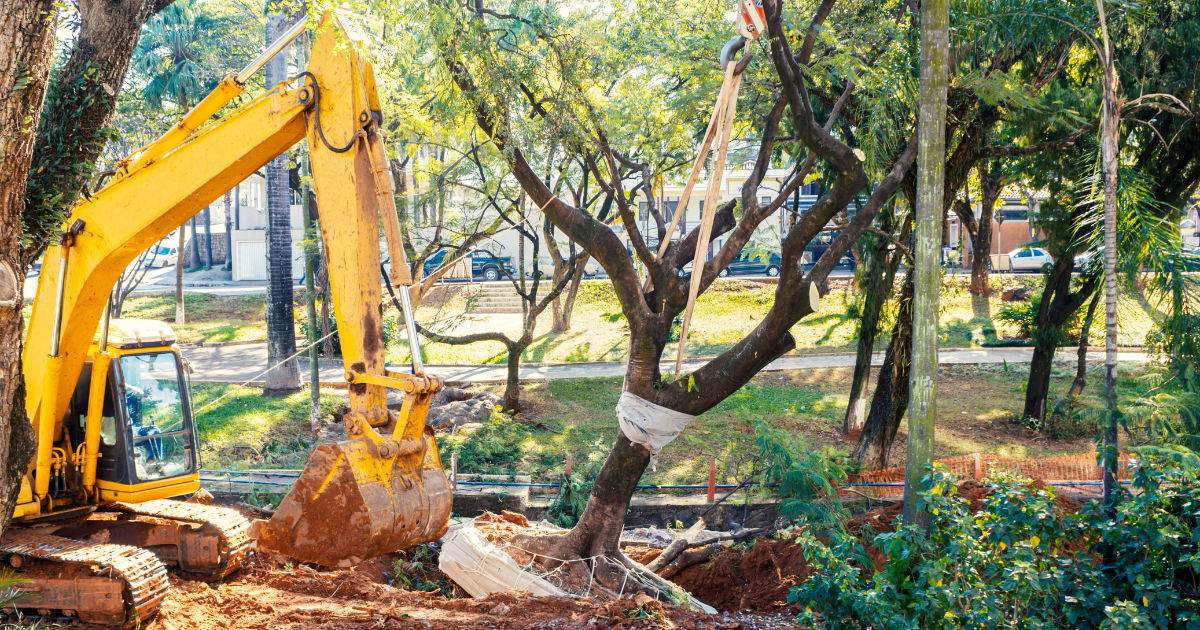
When it comes to tree pruning Canberra, avoiding common mistakes is crucial to preserving your trees’ longevity and structural integrity.
In this guide, we will explore the seven most common mistakes homeowners and gardeners make, helping you prune your trees effectively and safely.
Tree Pruning
Before diving into mistakes, it’s essential to understand why tree pruning is important. Pruning involves selectively removing branches to improve tree structure, promote healthy growth, and prevent potential hazards. When done correctly, it enhances the tree’s appearance, reduces the risk of disease, and ensures safety around your property. However, improper pruning can severely damage a tree, reduce its lifespan, or even lead to its death.
Mistake 1: Pruning at the Wrong Time
Timing is critical in tree pruning. Pruning during the wrong season can stress the tree, making it vulnerable to pests and diseases. Most trees in Canberra benefit from pruning in late winter or early spring before new growth starts. Avoid pruning during extreme heat in summer or when frost is expected in winter.
Winter pruning helps trees heal faster, and removing dead or diseased branches before the growing season prevents further damage. Pruning at the wrong time can also reduce flowering or fruit production, especially for ornamental trees.
Mistake 2: Over-Pruning
Over-pruning is a common error that can have long-term negative effects. Removing too many branches at once weakens the tree’s natural structure and exposes it to sunburn and disease. Experts recommend pruning no more than 25% of the tree’s foliage in a single session.
Trees rely on their leaves for photosynthesis, which fuels growth and overall health. Over-pruning reduces the tree’s ability to produce energy, resulting in slower growth and sometimes dieback. Maintaining a balanced approach is key to healthy tree pruning Canberra.
Mistake 3: Cutting Too Close or Too Far from the Branch Collar
The branch collar is the swollen area where the branch meets the trunk or a larger branch. Proper pruning involves cutting just outside this collar. Cutting too close can damage the trunk, while cutting too far leaves a stub that may rot and invite disease.
Incorrect cuts can compromise the tree’s natural defense mechanisms. Learning to identify the branch collar and make precise cuts ensures faster healing and reduces the risk of decay. Using sharp, clean tools is also vital to prevent tearing the bark.
Mistake 4: Using Improper Tools
Tree pruning requires the right set of tools for safety and effectiveness. Using dull or inappropriate tools can lead to jagged cuts, increased healing time, and injury. Common tools for pruning include hand pruners, loppers, pruning saws, and pole saws.
For thick branches, a pruning saw is more effective than loppers, which are suitable for thinner growth. Electric or chainsaw equipment should be handled by trained professionals to avoid accidents. Proper maintenance of your tools, including regular sharpening and cleaning, ensures clean cuts and reduces disease spread.
Mistake 5: Neglecting Tree Health Before Pruning
Pruning a sick or stressed tree without assessing its health can worsen existing problems. Trees affected by disease, pests, or nutrient deficiencies require careful evaluation before any pruning activity.
Pruning a weakened tree may leave it more vulnerable to damage and slow down recovery. In Canberra, trees may face drought stress during summer months, making it crucial to check soil moisture, nutrient levels, and overall tree condition before pruning. Consulting a certified arborist can help prevent mistakes and ensure proper tree care.
Mistake 6: Ignoring Safety Precautions
Tree pruning can be dangerous, especially for taller trees or large branches. Ignoring safety measures is a serious mistake that can lead to accidents. Always wear protective gear, including gloves, safety glasses, and helmets when pruning.
Using ladders or climbing equipment requires proper technique. For high branches or complex pruning, hiring professional tree services in Canberra is recommended. Safety should always be a priority to prevent injuries and property damage.
Mistake 7: Not Following Up After Pruning
Tree care doesn’t end once the pruning is done. Failing to follow up on post-pruning care can reduce the benefits and even harm the tree. Newly pruned trees should be monitored for signs of stress, disease, or pest infestation.
Watering, mulching, and fertilizing appropriately can help trees recover faster. Avoid heavy pruning late in the season, as trees need time to heal before winter. Regular inspections and minor maintenance cuts in the following months ensure that the tree remains healthy and structurally sound.
Best Practices for Tree Pruning in Canberra
Now that we’ve covered common mistakes, let’s review some best practices to ensure successful tree pruning Canberra:
-
Plan Before You Prune: Evaluate which branches need removal and why. Identify dead, damaged, or crossing branches.
-
Use Proper Techniques: Learn correct cutting angles, pruning heights, and branch collar identification.
-
Prune Gradually: Avoid removing too much foliage at once; prune in stages if necessary.
-
Maintain Tools: Keep pruning tools clean and sharp to ensure precise cuts and reduce disease risk.
-
Monitor Tree Health: Check for stress signs, pests, and disease before and after pruning.
-
Hire Professionals When Needed: For large or complex trees, professional arborists provide safety and expertise.
-
Consider Seasonal Factors: Prune during optimal times for your tree species to ensure strong regrowth.
Signs You Need Professional Tree Pruning
While minor pruning can be handled at home, there are situations where professional intervention is necessary:
-
Large branches that pose a safety risk
-
Trees with signs of disease or severe decay
-
High or hard-to-reach trees
-
Trees that have experienced storm damage
Professional arborists bring the skills and equipment required to manage complex pruning safely and effectively. In Canberra, where local weather conditions can impact tree health, consulting a professional is often the best choice for long-term care.
Environmental Considerations
Tree pruning also plays a role in environmental management. Removing dead branches reduces fire hazards and prevents pests from spreading. Proper pruning encourages strong growth, which enhances air quality, provides shade, and contributes to local biodiversity. By following correct practices, you not only improve the health of individual trees but also positively impact the surrounding ecosystem.
Common Misconceptions About Tree Pruning
There are a few widespread myths that can lead to mistakes:
-
“Pruning makes trees grow faster”: While pruning shapes growth, excessive cutting can stress a tree.
-
“All branches should be pruned”: Healthy branches contribute to photosynthesis and tree vitality.
-
“You can prune anytime”: Seasonal timing is critical for tree recovery and flowering.
Understanding these misconceptions can help homeowners avoid costly mistakes in tree pruning Canberra.
DIY vs Professional Tree Pruning
Homeowners often debate whether they should prune their trees or hire professionals. While DIY pruning is possible for small trees and minor branches, professional services offer several advantages:
-
Expertise in identifying weak or diseased branches
-
Knowledge of proper pruning techniques
-
Access to specialized tools for safe removal
-
Compliance with local regulations and safety standards
In Canberra, where many properties have mature trees, professionals ensure that pruning is done efficiently and safely, preserving both the tree’s health and property value.
Conclusion
Tree pruning is more than a cosmetic activity; it is an essential practice for tree health, safety, and aesthetics. When done incorrectly, it can lead to serious problems, including disease, decay, and structural weakness. By avoiding these seven mistakes—pruning at the wrong time, over-pruning, improper cuts, using unsuitable tools, neglecting tree health, ignoring safety, and skipping follow-up care—you ensure your trees thrive for years to come.
Proper tree pruning Canberra requires planning, knowledge, and attention to detail. By following best practices and knowing when to call in professionals, homeowners can enjoy beautiful, healthy trees while minimizing risks. Remember, each tree is unique, and understanding its needs is key to effective pruning. Whether you’re a DIY enthusiast or seeking professional services, informed care will make all the difference in preserving Canberra’s green landscapes.
By taking a thoughtful, informed approach, you can protect your trees, enhance your property’s beauty, and contribute positively to the environment. Trees are long-term investments, and with careful pruning practices, they will continue to thrive for generations.