
Bathing is an essential part of personal hygiene, health, and daily comfort. However, as people grow older, everyday activities such as stepping into a bathtub, standing under a shower, washing their hair, or reaching their feet can become increasingly difficult. Age-related changes in mobility, balance, strength, and flexibility may make bathing challenging and sometimes unsafe. For older adults who need additional assistance, professional caregivers can provide practical support while protecting their dignity and independence.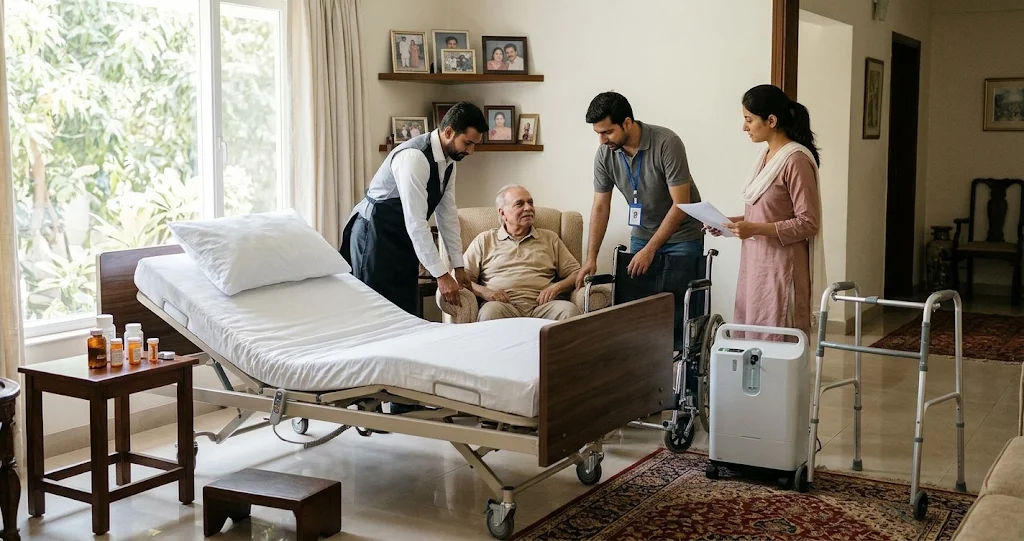
Elderly Care at Home can make bathing easier, safer, and more comfortable by providing personalized assistance according to an individual's physical abilities and personal preferences. Caregivers can help older adults prepare for bathing, manage bathroom safety, wash difficult-to-reach areas, dry their bodies, and get dressed afterward. This support can also reduce the risk of falls and help families feel more confident about their loved one's daily care.
Understanding how bathing assistance works can help families decide whether professional home care is the right choice. From maintaining personal hygiene to encouraging independence, the right support can make a meaningful difference in an older person's everyday life.
Why Does Bathing Become Difficult for Older Adults?
Bathing may seem like a simple daily activity, but it requires several physical abilities. Older adults need sufficient balance, coordination, flexibility, and strength to complete the process safely.
As people age, these abilities can gradually change. Even someone who previously managed personal hygiene independently may eventually need assistance.
Reduced Strength and Mobility
Muscle strength can decrease with age. This may make it difficult for older adults to stand for extended periods, lift their legs over bathtub edges, or move comfortably inside a shower.
Conditions affecting the joints can create additional challenges. Stiff knees, painful hips, and limited shoulder movement may prevent someone from washing certain parts of their body.
Caregivers can provide physical assistance when needed, helping older adults move safely without unnecessarily taking away their independence.
Balance and Coordination Problems
Maintaining balance on wet bathroom floors can be difficult for anyone. Older adults may experience additional challenges because of reduced coordination, muscle weakness, or changes in their walking ability.
A small slip can result in serious injuries, particularly for individuals with fragile bones.
Having someone nearby during bathing can provide reassurance and practical support. Caregivers can also help identify bathroom hazards that might increase the likelihood of accidents.
Memory and Cognitive Changes
Some older adults experience memory difficulties that affect their ability to follow everyday routines.
They may forget whether they have already bathed, struggle to organize bathing supplies, or become confused about the steps involved.
A patient caregiver can provide gentle reminders and guidance without making the individual feel uncomfortable or embarrassed.
How Elderly Care at Home Helps With Bathing
Elderly Care at Home caregivers can provide different levels of bathing assistance depending on an older person's health, mobility, and personal preferences.
Some individuals only need help preparing the bathroom, while others require hands-on support throughout the entire bathing process.
Assistance With Preparing the Bathroom
A safe bathing experience begins before the water is turned on.
Caregivers can prepare the bathroom by checking the floor, arranging towels, placing toiletries within reach, and ensuring that the water temperature is comfortable.
They may also help prepare:
-
Clean towels and washcloths.
-
Mild soap and body wash.
-
Shampoo and conditioner.
-
Non-slip bathroom mats.
-
Clean clothing and undergarments.
-
Shower chairs and other safety equipment.
Keeping everything nearby reduces unnecessary movement during bathing.
It also prevents older adults from stretching, bending, or reaching for objects that could cause them to lose balance.
Help With Entering and Leaving the Shower
Getting into and out of a bathtub or shower can be one of the most challenging parts of bathing.
Caregivers can provide appropriate assistance with standing, sitting, and moving between safe positions.
Depending on the individual's abilities, they may offer a steadying hand, provide verbal guidance, or assist with approved mobility equipment.
For older adults who cannot safely stand, a shower chair or accessible bathing arrangement may be more appropriate.
Caregivers should follow safe transfer techniques and avoid lifting someone in a way that could injure either person.
Assistance With Washing the Body
Some older adults can wash their upper bodies but struggle with areas that require bending or stretching.
Professional caregivers can help wash the back, lower legs, feet, and other difficult-to-reach areas.
They can also assist with washing under the arms and cleaning skin folds carefully.
This support helps maintain personal hygiene while reducing physical strain.
The level of assistance should always match the individual's abilities. Older adults who can wash certain areas independently should be encouraged to continue doing so.
Help With Washing Hair
Hair washing can become difficult when someone has limited shoulder movement or cannot comfortably tilt their head.
Caregivers can help wet the hair, apply shampoo, rinse thoroughly, and dry it with a towel.
They should use suitable products based on the person's hair type and any skin sensitivities.
For individuals who cannot comfortably use a traditional shower, alternative hair-washing methods may be considered.
Maintaining Privacy and Dignity During Bathing
Bathing is a personal activity. Many older adults feel uncomfortable receiving assistance because they are accustomed to managing their hygiene independently.
Professional caregivers should understand that personal care requires sensitivity, patience, and respect.
Respecting Personal Preferences
Every individual has different bathing habits.
Some people prefer morning showers, while others feel more comfortable bathing in the evening. Some prefer warm water, while others have specific preferences concerning soap, shampoo, and bathing routines.
Caregivers should discuss these preferences before providing assistance.
Respecting established routines can make older adults feel more comfortable and involved in their care.
Providing Privacy During Personal Care
Caregivers should protect an individual's privacy throughout the bathing process.
They can use towels or bathrobes to cover areas that are not being washed and close bathroom doors or curtains when appropriate.
They should also explain each step before providing physical assistance.
This approach helps older adults understand what is happening and reduces feelings of embarrassment.
Encouraging Independence
Receiving assistance does not mean losing the ability to make personal decisions.
An older adult may need help entering the shower but still be capable of washing their face, chest, and arms independently.
Caregivers should encourage these abilities rather than automatically completing every task.
Maintaining independence can improve confidence and help preserve existing physical abilities.
Important Bathroom Safety Measures for Older Adults
Bathroom safety is an important part of personal care because wet surfaces and limited space can increase the risk of falls.
Professional caregivers can help families identify practical improvements that make bathing safer.
Installing Grab Bars
Grab bars provide additional support when older adults move around the bathroom.
They can be installed near toilets, showers, and bathtubs to provide stable handholds.
However, grab bars should be properly installed and secured to suitable structural supports. Ordinary towel rails should never be treated as weight-bearing safety equipment.
Using Non-Slip Flooring
Wet tiles can become slippery, increasing the possibility of accidents.
Non-slip flooring, suitable bath mats, and secure shower surfaces can help reduce this risk.
Caregivers should also check that mats do not move unexpectedly when someone steps on them.
Choosing a Shower Chair
A shower chair allows older adults to sit while bathing.
This can be particularly useful for people who experience fatigue, weakness, or difficulty standing.
Some shower chairs include backrests and armrests for additional support.
The equipment should be stable, correctly sized, and appropriate for the individual's weight and mobility needs.
Maintaining a Comfortable Water Temperature
Older adults may have reduced sensitivity to temperature, making it harder to recognize water that is too hot.
Excessively hot water can cause burns and dry out sensitive skin.
Caregivers should check the water temperature before bathing begins. A thermostatic mixing valve can also help prevent sudden temperature changes.
Can Elderly Care at Home Help People With Limited Mobility?
Yes. Bathing assistance can be especially valuable for older adults who have difficulty walking, standing, or changing positions.
However, the type of support must be selected according to the person's physical condition.
Support for Older Adults Who Use Walkers
People who use walkers may need help moving safely from their bedroom to the bathroom.
Caregivers can ensure that the walking route is clear and provide assistance according to the person's mobility plan.
Once inside the bathroom, they can help the individual sit on a suitable shower chair.
The walker should be positioned safely and within reach when needed, without creating an obstacle.
Assistance for Wheelchair Users
Some older adults use wheelchairs because of significant mobility limitations.
Accessible bathrooms may include roll-in showers, transfer benches, handheld showerheads, and appropriate grab bars.
Caregivers can assist with transfers when trained and when the equipment and care plan support safe movement.
If an individual requires a mechanical lifting device, the caregiver must be trained to operate it properly.
Bathing Support for Bedridden Individuals
Older adults who cannot leave their beds may require bed baths instead of traditional showers.
A bed bath involves cleaning the body using warm water, washcloths, suitable cleansing products, and towels.
Caregivers can wash different body areas while maintaining privacy and keeping the person comfortable.
Special attention should be given to skin folds, pressure-prone areas, and areas that become sweaty or moist.
Families should follow professional healthcare guidance when caring for individuals with complex medical or mobility needs.
How Often Should Older Adults Receive Bathing Assistance?
Bathing frequency depends on personal preferences, activity levels, skin condition, medical needs, and the individual's overall health.
Not every older adult needs a complete bath every day.
In fact, frequent bathing with hot water and strong soaps can remove natural skin oils and contribute to dryness.
Establishing a Comfortable Bathing Routine
A caregiver can help develop a routine that supports hygiene without creating unnecessary discomfort.
For example, some older adults may prefer bathing two or three times weekly while washing their face, hands, underarms, and private areas more frequently.
The exact schedule should reflect personal needs and healthcare recommendations.
Daily cleaning of areas that become sweaty or exposed to bodily fluids is particularly important.
Adjusting Bathing Frequency for Skin Conditions
Older adults often have thinner, more delicate skin.
People with eczema, excessive dryness, or other skin conditions may need special bathing products and routines.
Caregivers should avoid harsh soaps and excessive scrubbing.
If someone develops persistent redness, irritation, unusual rashes, or open wounds, families should seek advice from a healthcare professional.
What Should Families Look for in a Bathing Caregiver?
Choosing the right caregiver is essential because bathing involves physical assistance, personal privacy, and safety.
Families should look beyond general caregiving experience and consider whether the individual has appropriate personal care skills.
Training and Experience
A suitable caregiver should understand basic hygiene practices, safe transfers, fall prevention, and respectful personal care.
Experience supporting older adults with limited mobility is particularly valuable.
For individuals with complex needs, families should consider qualified healthcare professionals or caregivers with relevant specialist training.
Communication Skills
Good communication helps older adults feel comfortable during bathing.
Caregivers should explain what they are doing, listen to concerns, and ask permission before providing physical assistance.
They should also communicate any changes in the individual's condition to family members or the appropriate healthcare professional.
Patience and Compassion
Some older adults need additional time to complete bathing routines.
A caregiver should never rush someone simply because the process takes longer than expected.
Patience helps reduce anxiety and allows individuals to participate at their own pace.
Reliability and Consistency
Having a dependable caregiver can make personal hygiene routines more manageable.
Consistent assistance also allows caregivers to become familiar with an older person's preferences, abilities, and usual skin condition.
This familiarity can help them recognize changes that may require attention.
Common Challenges During Bathing and How Caregivers Handle Them
Bathing does not always happen without difficulties. Older adults may experience fear, discomfort, confusion, or physical limitations.
Professional caregivers can address these challenges with suitable approaches.
Fear of Slipping or Falling
Some older adults avoid bathing because they are afraid of falling.
This fear may develop after a previous accident or because they feel physically unstable.
Caregivers can help by preparing the bathroom, using suitable safety equipment, and providing assistance during transfers.
They should never force someone to enter a shower when the person feels unsafe.
Refusing to Bathe
An older adult may refuse bathing because of embarrassment, discomfort, depression, confusion, or simply a personal preference.
Instead of arguing, caregivers should try to understand the reason.
Offering a choice between a morning and evening bath, using a warm washcloth, or allowing additional preparation time may help.
If refusal becomes frequent or represents a sudden change in behavior, families should discuss it with a healthcare professional.
Feeling Cold During Bathing
Older adults may become uncomfortable when exposed to cold air or water.
Caregivers can warm the bathroom appropriately, prepare towels in advance, and uncover only the areas being cleaned.
They should also make sure the water remains at a safe temperature.
These small adjustments can make bathing more pleasant.
What Are the Benefits of Elderly Care at Home for Personal Hygiene?
The benefits of professional bathing assistance extend beyond simply keeping someone clean.
Personal hygiene can influence physical comfort, emotional well-being, and overall quality of life.
Supporting Healthy Skin
Regular and appropriate cleaning helps remove sweat, dirt, and other substances that can irritate the skin.
Caregivers can also help dry areas where moisture tends to collect.
However, bathing alone does not prevent every skin condition. Families should seek medical advice when persistent irritation, wounds, or infections appear.
Improving Confidence and Comfort
Feeling clean and well-groomed can improve an older person's confidence.
Assistance with bathing, drying, dressing, and grooming can help individuals maintain familiar routines.
This may encourage greater participation in social activities and everyday interactions.
Reducing Family Caregiving Pressure
Family members often manage several responsibilities, including employment, household activities, and caring for older relatives.
Providing regular bathing assistance can require considerable time and physical effort.
Professional support allows family members to share these responsibilities while remaining involved in their loved one's life.
Supporting a Familiar Home Environment
Many older adults feel more comfortable receiving assistance in familiar surroundings.
Professional caregivers can provide bathing support within the home, allowing individuals to maintain their established routines.
For people who do not require residential care, this arrangement may offer a practical way to receive additional help.
When Should Families Consider Professional Bathing Assistance?
Families should consider additional support when bathing becomes unsafe, physically exhausting, or difficult to manage independently.
Certain warning signs may indicate that an older adult needs assistance.
These include:
-
Frequently losing balance in the bathroom.
-
Avoiding showers because of physical discomfort.
-
Struggling to enter or leave the bathtub.
-
Having difficulty washing the back, legs, or feet.
-
Experiencing fatigue while standing.
-
Forgetting important hygiene routines.
-
Developing skin irritation because of inadequate cleaning.
-
Requiring help with dressing after bathing.
A healthcare professional can assess mobility limitations and recommend appropriate equipment or assistance.
Sudden changes in balance, weakness, or confusion should not automatically be considered normal aging. They may require prompt medical evaluation.
Conclusion
Bathing is an important part of maintaining personal hygiene, physical comfort, and emotional well-being. However, age-related changes in strength, balance, flexibility, and mobility can make this everyday activity increasingly challenging. Without suitable assistance, older adults may face unnecessary discomfort, hygiene difficulties, and an increased risk of bathroom accidents.
Elderly Care at Home can provide valuable support by helping older adults prepare for bathing, enter and leave showers safely, wash difficult-to-reach areas, clean their hair, dry their bodies, and get dressed. Professional caregivers can also help families introduce practical safety improvements, including grab bars, shower chairs, non-slip surfaces, and accessible bathing equipment.
Equally important is the way bathing assistance is provided. Older adults deserve privacy, respect, patience, and opportunities to remain independent. A compassionate caregiver understands that personal hygiene is not simply about completing a task. It is about helping someone feel comfortable, respected, and confident in their daily life.
Families should choose caregivers who have suitable experience, understand safe personal care practices, and communicate effectively. They should also consider the older person's preferences, mobility limitations, and healthcare needs when developing a bathing routine.
Ultimately, professional bathing assistance can make everyday life easier for older adults and reduce the pressure on family caregivers. With appropriate support, thoughtful safety arrangements, and a personalized approach, older individuals can maintain better hygiene while continuing to enjoy the comfort and familiarity of their own homes.