
Morning Rush, Waiting Boxes: What’s the Bottleneck?
The sortation line isn’t slow; it’s mismatched to how orders actually arrive. In smart logistics, demand doesn’t trickle in evenly—it surges, stalls, and then surges again. Picture 8:55 a.m.: trucks stack at the dock, totes flood in, and the WMS pings the next wave while operators juggle exceptions. In many sites, 30% of daily parcels cram into a two-hour window, then the belt idles. Misroutes hover around 0.5%, and labor swings from overload to idle. So, what truly fixes volatility instead of masking it? Enter the modular idea behind a cell sorting machine, where capacity scales in small, coordinated units rather than one giant line. With edge computing nodes near each cell, AGV handoffs stay tight, and exception paths don’t derail the whole floor (no more domino effect). That matters when cycle time must stay under minutes, not hours. The bold claim is simple: match capacity to peaks, shrink the blast radius of faults, and keep accuracy high without burning people out. Ready to dig into what the old way misses—and why cells change the math? Let’s move.
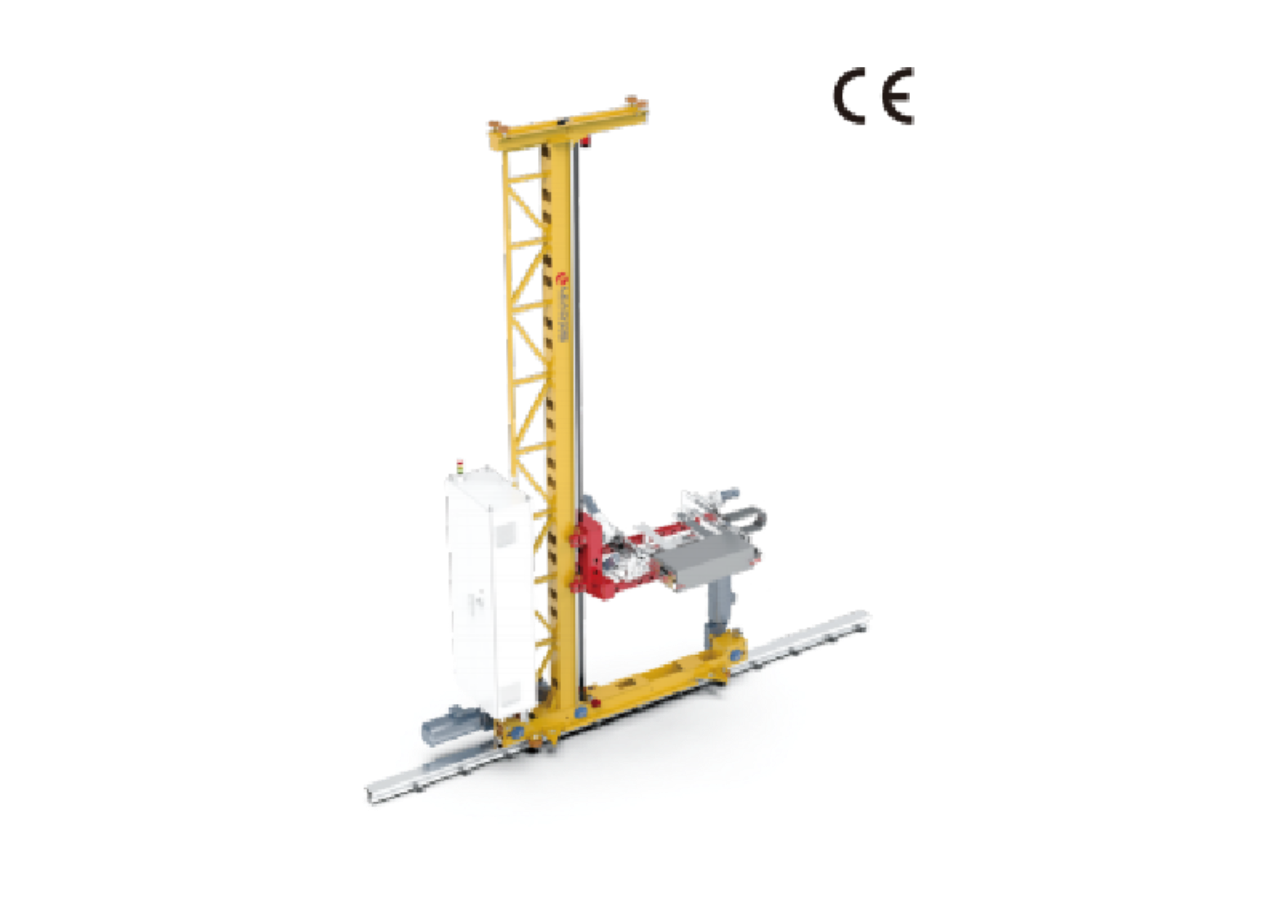
Traditional Lines, Hidden Friction
Where does the pain really start?
Here’s the technical truth: classic linear sorters look efficient at steady state, but steady state almost never happens. A single PLC-centric control stack turns the conveyor into a monolith. One choke point and the upstream throughput melts. WMS updates travel in batches, so latency hides inside wave planning, and OCR scanners can’t always rescue bad labels in time. Maintenance? A failed drive or a cranky power converter stalls an entire zone—funny how that works, right?—so your uptime depends on the healthiest link, not the average. In peak hours, the system can’t flex; in off hours, it can’t scale down.
Look, it’s simpler than you think: big lines assume uniform input and uniform output. Reality is spiky. Changing sort destinations on a long belt requires system-wide coordination and longer changeovers. Exception items get kicked to manual rework, which drags cycle time and adds labor variance. Even with clever buffering, the physics of a single stream means rebalancing is slow. That’s why promised throughput often looks great on a slide but slips in production. The pain points are baked in: centralized control, long fault zones, and brittle flows that punish variability.
From Fixed Lines to Adaptive Cells: What’s Next
Real-world impact, without the drama
Compare that to a network of micro sort cells. Each cell has its own edge controller, local sensors, and a lightweight service that talks to the WMS. When demand pops, you spin up more cells; when it dips, you park them. The principle is distributed control with short feedback loops. Event-driven updates change destinations in seconds, not cycles. Goods move through small zones, so a stuck diverter only pauses one area. Tie in RFID reads with OCR, and you cut misroutes while keeping the conveyor footprint compact. A modern cell sorting machine uses dynamic zoning, making the floor plan act like software—add capacity like you add servers. It’s modular by default—funny how the small pieces beat the big line at its own game, right?
Future-facing teams are layering in digital twins and microservices to predict surges and pre-stage cells before the first truck backs in. That means edge computing nodes can preheat capacity, AGVs can re-route on the fly, and operators see clear, local KPIs instead of one giant dashboard of alarms. Summing up: variability is normal; central monoliths fight it; cells ride it. If you’re choosing solutions, use three simple checks: 1) peak throughput per square meter, not just nameplate flow; 2) verified sort accuracy at 99.9%+ under burst load; 3) time-to-rebalance after a fault—aim for under 10 minutes. Keep it semi-formal, keep it human, and let the system do the flexing while people handle the edge cases. For teams wanting a deeper look at modular design done right, see LEAD.