
Bathroom remodeling is one of the most valuable home improvement projects because it can improve comfort, functionality, safety, and property value. However, before starting a renovation, homeowners need to understand the legal requirements involved. One common question is whether bathroom remodeling projects require approval from local authorities. The answer depends on the type of work, the property's existing condition, and the applicable building regulations.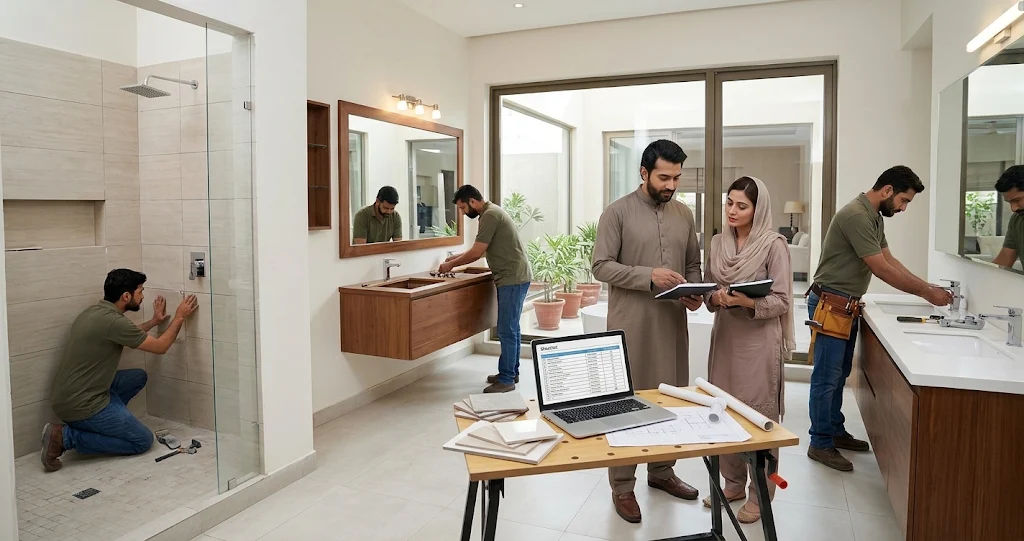
In Massachusetts, building regulations help ensure that renovation projects meet safety and construction standards. Homeowners planning bathroom remodeling wayland projects should understand when permits are necessary, which authorities handle applications, and what inspections may be required. Even a relatively small renovation can involve electrical, plumbing, ventilation, or structural changes that require official approval.
Understanding these requirements before hiring contractors can prevent unnecessary delays, unexpected expenses, and compliance problems. A well-planned renovation begins with knowing which improvements require permits and how to complete the approval process correctly.
Bathroom Remodeling Permit Requirements
A building permit is official permission from the local building department to complete specific construction or renovation work. It confirms that proposed improvements will follow applicable building codes and safety standards.
Not every bathroom improvement requires a permit. Simple cosmetic changes generally involve fewer regulatory requirements than projects involving plumbing, electrical systems, or structural modifications.
For homeowners considering bathroom remodeling wayland projects, identifying the difference between cosmetic improvements and construction work is an important first step.
What Is a Bathroom Remodeling Permit?
A bathroom remodeling permit allows homeowners or authorized contractors to complete regulated renovation activities.
Depending on the project, approvals may involve:
-
Building permits for structural changes.
-
Plumbing permits for water supply and drainage modifications.
-
Electrical permits for new wiring, outlets, and lighting circuits.
-
Mechanical permits for certain ventilation or heating modifications.
Each permit serves a different purpose. Building officials review relevant work to ensure that construction meets applicable requirements.
Why Are Permits Important?
Permits protect homeowners, contractors, and future occupants.
Bathroom renovations involve several systems that must work safely together. Incorrect plumbing connections can cause leaks, while unsafe electrical installations can create serious hazards.
The permitting process helps ensure that important construction details receive appropriate professional attention.
It also creates an official record of approved improvements, which can be useful when selling or refinancing a property.
Which Bathroom Remodeling Projects Require Permits?
The type of renovation determines which permits may be necessary. Homeowners should not assume that every bathroom project follows the same rules.
In Wayland, Massachusetts, the local building department determines applicable requirements under state and local regulations.
Cosmetic Bathroom Improvements
Cosmetic improvements generally involve changing the appearance of existing bathroom features without modifying major building systems.
Examples include:
-
Painting bathroom walls.
-
Replacing decorative mirrors.
-
Installing new towel bars.
-
Replacing cabinet handles.
-
Updating decorative accessories.
-
Changing certain existing finishes.
These projects typically do not require building permits when they do not involve regulated construction work.
However, homeowners should confirm requirements if a seemingly simple improvement includes additional electrical, plumbing, or structural changes.
Replacing Bathroom Fixtures
Replacing an existing toilet, sink, or bathtub with a similar fixture may involve different requirements depending on whether plumbing connections are changed.
A straightforward replacement may be treated differently from relocating fixtures or modifying drainage connections.
For example, installing a new vanity in the same location may be relatively simple. Moving the sink to another wall could require plumbing modifications and a plumbing permit.
Before starting bathroom remodeling wayland projects, homeowners should discuss fixture replacement plans with their contractor.
Changing Bathroom Layouts
Changing the bathroom layout can create additional permitting requirements.
Examples include:
-
Moving a toilet.
-
Relocating a shower.
-
Installing a bathtub in a different location.
-
Moving water supply lines.
-
Changing drainage arrangements.
-
Removing or constructing walls.
These changes can affect plumbing, ventilation, electrical systems, and structural components.
A contractor should evaluate the proposed layout before work begins so that all necessary approvals can be identified.
Plumbing Permits for Bathroom Renovations
Plumbing is one of the most important areas of bathroom construction. Bathrooms depend on reliable water supply, drainage, and properly installed fixtures.
When renovation work modifies plumbing systems, a plumbing permit may be required.
When Are Plumbing Permits Necessary?
Plumbing permits are commonly required for regulated plumbing installations and modifications.
Examples include:
-
Installing new water supply lines.
-
Relocating toilets or sinks.
-
Changing drainpipe arrangements.
-
Installing new shower plumbing.
-
Modifying existing drainage systems.
-
Making substantial changes to bathroom piping.
The exact requirements depend on the work being performed and applicable Massachusetts plumbing regulations.
Why Professional Plumbing Matters
Incorrect plumbing installations can cause significant problems.
Water leaks may damage flooring, cabinets, walls, and ceilings. Poor drainage can create unpleasant odors and recurring blockages.
Professional plumbers understand the requirements for pipe sizing, drainage slopes, connections, and fixture installation.
For bathroom remodeling wayland projects, qualified plumbing professionals can also help determine whether a separate plumbing permit is needed.
Shower and Bathtub Installation
Installing a new shower or bathtub can involve several construction activities.
A simple replacement may have different requirements from creating a completely new shower area.
Walk-in showers, custom shower installations, and relocated bathtubs may require changes to water connections and drainage.
Waterproofing is another important consideration. Proper membranes, drainage arrangements, and moisture protection help prevent water from entering surrounding building materials.
Electrical Permits for Bathroom Remodeling
Bathrooms contain electrical systems that require special attention because water and electricity can create dangerous conditions.
Electrical improvements must follow applicable electrical codes and safety requirements.
When Is an Electrical Permit Required?
An electrical permit is generally necessary when renovation work involves regulated electrical installations or modifications.
Examples include:
-
Installing new electrical circuits.
-
Adding bathroom outlets.
-
Moving existing wiring.
-
Installing new exhaust fan wiring.
-
Adding recessed lighting.
-
Changing electrical panel connections.
-
Installing electrical equipment that requires new wiring.
Replacing a decorative light fixture may have different requirements from installing new wiring.
Homeowners should ask the electrical contractor or local electrical inspector whether the proposed work requires a permit.
GFCI Protection and Bathroom Safety
Ground-fault circuit interrupter protection is an important bathroom safety feature.
GFCI devices help reduce the risk of electrical shock by responding to certain electrical imbalances.
Bathroom outlets and other electrical installations must meet applicable location and protection requirements.
Electrical contractors should also consider:
-
Proper outlet placement.
-
Appropriate circuit protection.
-
Safe wiring connections.
-
Lighting requirements.
-
Equipment installation instructions.
These details are particularly important when upgrading an older bathroom.
Building Permits for Structural Changes
Some bathroom renovations involve changing the structure of the house.
These projects usually require more planning than cosmetic improvements.
Removing or Moving Walls
Removing a wall can affect the structural stability of a property.
Some interior walls are load-bearing, meaning they help support the weight of the building above them.
Removing or modifying these walls without appropriate evaluation can create serious structural problems.
A structural professional may need to assess the proposed work and provide drawings or calculations.
For bathroom remodeling wayland projects involving wall removal, homeowners should obtain guidance from the local building department before construction begins.
Expanding the Bathroom
Expanding a bathroom into an adjoining bedroom, hallway, or closet can involve multiple building changes.
The project may require:
-
Framing modifications.
-
New flooring.
-
Additional plumbing.
-
Electrical adjustments.
-
Ventilation improvements.
-
Insulation changes.
-
Door relocation.
Depending on the extent of the work, a building permit and additional trade permits may be necessary.
Changing Windows and Doors
Changing bathroom windows or doors can also involve building code considerations.
Window modifications may affect structural framing, energy efficiency, weather protection, and emergency escape requirements where applicable.
A contractor should review the proposed changes before ordering replacement materials.
How to Apply for Bathroom Remodeling Permits in Wayland
The permit application process is easier when homeowners prepare the necessary information before submitting their requests.
Wayland's Building Department is responsible for administering applicable building permit requirements.
The specific application process depends on the type and scope of the renovation.
Step 1: Identify the Scope of Work
Start by preparing a detailed description of the proposed renovation.
Identify whether the project involves:
-
Cosmetic improvements.
-
Plumbing modifications.
-
Electrical installations.
-
Structural changes.
-
Ventilation improvements.
-
Changes to bathroom dimensions.
This information helps determine which approvals may be necessary.
Step 2: Contact the Local Building Department
Before purchasing materials or scheduling construction, contact the Wayland Building Department.
Explain the renovation plans and ask which permits apply.
Homeowners should also ask about application requirements, inspection stages, fees, and expected review times.
Requirements may differ depending on the property and project details.
Step 3: Prepare the Required Documents
Depending on the renovation, permit applications may require supporting documents.
These can include:
-
Project descriptions.
-
Existing and proposed floor plans.
-
Construction drawings.
-
Plumbing layouts.
-
Electrical plans.
-
Contractor information.
-
Relevant structural calculations.
Larger bathroom renovations may require more detailed documentation than smaller projects.
Step 4: Submit the Application
Submit the appropriate applications through the process established by the local department.
Make sure all information is accurate and complete.
Incomplete applications may delay approval because officials may request additional information or revised drawings.
Step 5: Wait for Approval
Do not begin regulated construction work before receiving the necessary permits.
The building department may review the application to confirm that the proposed work meets applicable requirements.
Some projects may require revisions before approval.
Once the necessary permits are issued, construction can proceed according to the approved plans.
What Inspections Are Required During Bathroom Remodeling?
Inspections help verify that renovation work follows applicable building and trade requirements.
Not every project requires the same inspection schedule.
The number and timing of inspections depend on the work being performed.
Plumbing Inspections
Plumbing inspections may be necessary when new plumbing systems or significant modifications are installed.
Inspectors may review:
-
Water supply connections.
-
Drainage arrangements.
-
Pipe installation.
-
Fixture connections.
-
Required testing.
These inspections help identify problems before walls, ceilings, and floors are closed.
Electrical Inspections
Electrical inspections may be required for permitted electrical work.
Inspectors may evaluate wiring, circuit protection, outlet placement, and other relevant installations.
Electrical work should be completed by qualified professionals who understand current Massachusetts requirements.
Building Inspections
Building inspections may apply when the renovation includes structural modifications or other regulated construction activities.
Inspectors may review framing, wall changes, and relevant building components.
Some projects may also require a final inspection after all construction activities are complete.
How Much Do Bathroom Remodeling Permits Cost?
Permit fees vary according to the type and value of the renovation.
There is no single fee that applies to every bathroom remodeling project in Wayland.
A small project involving limited regulated work may have different costs from a complete bathroom reconstruction.
Factors That Affect Permit Fees
Several factors can influence permit expenses.
Project value: Some permit fees are calculated using the estimated construction value.
Type of work: Building, plumbing, and electrical permits may involve separate charges.
Project complexity: More extensive projects may require additional reviews.
Professional documentation: Certain renovations may require architectural or engineering drawings.
Additional inspections: Depending on the project, additional inspections may affect the overall approval expenses.
Homeowners should request current fee information directly from the Wayland Building Department.
Budgeting for Permit Expenses
Permit fees should be included in the renovation budget from the beginning.
It is also helpful to reserve money for unexpected construction conditions.
Older homes may contain outdated plumbing, electrical wiring, or hidden moisture damage that becomes visible during renovation.
Planning for these possibilities can help prevent financial pressure later.
Choosing Contractors for Bathroom Remodeling Wayland
Choosing the right contractor is essential for a successful renovation.
A qualified professional understands construction standards, permit procedures, and the coordination required between different trades.
Check Licensing and Experience
Before hiring a contractor, verify relevant qualifications and experience.
Ask whether the contractor has completed similar bathroom renovations.
For projects involving plumbing and electrical work, confirm that appropriately licensed professionals will perform the work.
Homeowners should also check insurance coverage and references.
Ask About Permit Responsibilities
One important question is who will handle the permit applications.
Some contractors manage the application process on behalf of homeowners, while others expect property owners to coordinate approvals.
Clarify responsibilities before signing an agreement.
A written contract should explain which permits are included in the project and who is responsible for arranging inspections.
Review Written Estimates
A detailed estimate helps homeowners understand the project's expected costs.
It should identify labor, materials, fixtures, demolition, disposal, and other relevant expenses.
Permit charges should also be clearly addressed.
Comparing estimates from multiple contractors can help homeowners evaluate pricing and understand the proposed scope of work.
Common Mistakes Homeowners Should Avoid
Even well-planned renovations can experience problems when homeowners overlook important requirements.
Avoiding common mistakes can make bathroom remodeling wayland projects more manageable.
Starting Work Without Checking Permit Requirements
One of the most common mistakes is assuming that small renovations never require permits.
Even limited projects can involve regulated plumbing or electrical work.
Always confirm requirements before construction begins.
Hiring Unqualified Professionals
Choosing a contractor based only on the lowest price can create problems.
Poor workmanship may lead to leaks, electrical hazards, and code violations.
Check qualifications, references, and insurance before making a hiring decision.
Ignoring Ventilation
Bathrooms produce moisture through showers, baths, and everyday activities.
Without adequate ventilation, moisture can accumulate on walls and ceilings.
This may contribute to mold growth, damaged finishes, and unpleasant odors.
A properly installed exhaust fan helps remove humid air and supports a healthier indoor environment.
Making Unapproved Design Changes
Changing the renovation plan after permits have been issued may require additional approval.
For example, relocating plumbing or removing a wall can change the scope of the approved work.
Discuss proposed changes with the contractor and building department before proceeding.
Skipping Required Inspections
Closing walls before required inspections can create complications.
Inspectors may need access to plumbing, wiring, framing, or other concealed components.
Schedule inspections at the appropriate construction stages to avoid unnecessary demolition or delays.
Special Considerations for Older Homes in Wayland
Older properties often require additional attention during bathroom renovations.
Existing construction materials and building systems may not meet current standards.
Outdated Plumbing Systems
Older plumbing may contain deteriorated pipes, outdated connections, or drainage arrangements that need improvement.
A professional plumber can inspect existing systems and recommend appropriate updates.
Replacing damaged components during renovation can reduce the likelihood of future leaks.
Electrical System Upgrades
Older homes may have electrical systems that cannot comfortably support modern bathroom equipment.
New lighting, ventilation fans, heated flooring, and other features may require electrical evaluation.
A licensed electrician can determine whether existing circuits are suitable.
Moisture and Water Damage
Bathrooms are exposed to frequent moisture.
Older properties may have hidden water damage behind tiles, flooring, or wall coverings.
During bathroom remodeling wayland projects, contractors should inspect exposed surfaces and address damaged materials before installing new finishes.
Historic Property Considerations
Some properties may have additional restrictions because of historic preservation requirements or other local regulations.
Homeowners should check whether their property is subject to special review before making exterior changes or other regulated modifications.
How to Keep a Bathroom Renovation on Schedule
Permits and inspections can affect the renovation timeline.
However, good planning can help minimize avoidable delays.
Plan Before Demolition
Finalize the bathroom layout, fixture selections, and major design decisions before construction starts.
This reduces the likelihood of making changes after permits have been submitted.
Coordinate Different Contractors
Bathroom projects often involve several professionals.
Plumbers, electricians, carpenters, tile installers, and ventilation specialists may all contribute to the renovation.
A clear schedule helps ensure that each professional completes work at the appropriate stage.
Order Materials Early
Custom vanities, specialty tiles, shower doors, and plumbing fixtures may take time to arrive.
Ordering important materials early can reduce construction interruptions.
Schedule Inspections Properly
Ask the contractor to coordinate inspections with the building department.
Required inspections should take place before the relevant work is concealed.
This helps keep construction organized and reduces the possibility of rework.
Conclusion
Bathroom renovation permits are an important part of maintaining a safe, functional, and legally compliant home. Whether a project requires approval depends primarily on the type of work being performed. Cosmetic improvements may not require permits, but significant plumbing, electrical, mechanical, and structural modifications commonly involve additional regulatory requirements.
Homeowners planning bathroom remodeling wayland projects should begin by identifying the renovation scope and contacting the local Building Department. Understanding the requirements before construction starts can prevent delays, unexpected expenses, and problems associated with unapproved work.
Proper planning also involves choosing qualified contractors, preparing accurate documentation, budgeting for permit fees, and scheduling required inspections. These steps help ensure that every stage of the renovation is completed responsibly.
It is equally important to consider the condition of the existing property. Older plumbing, outdated electrical systems, poor ventilation, and hidden moisture damage can affect the renovation process. Addressing these concerns during construction can improve bathroom performance and reduce future maintenance requirements.
Ultimately, a successful renovation involves more than selecting attractive tiles, modern fixtures, and stylish cabinets. It requires careful attention to construction quality, safety standards, and local regulations. By understanding permit requirements and working with experienced professionals, homeowners can approach bathroom remodeling with greater confidence and achieve a comfortable, durable, and well-designed space.