
When someone is arrested, finding out where they are being held is often the first concern for family members and friends. The process can feel confusing, especially when the arrest happens unexpectedly or the person is transferred between facilities. Knowing how to locate an inmate can make it easier to understand the next steps and communicate with the appropriate authorities. 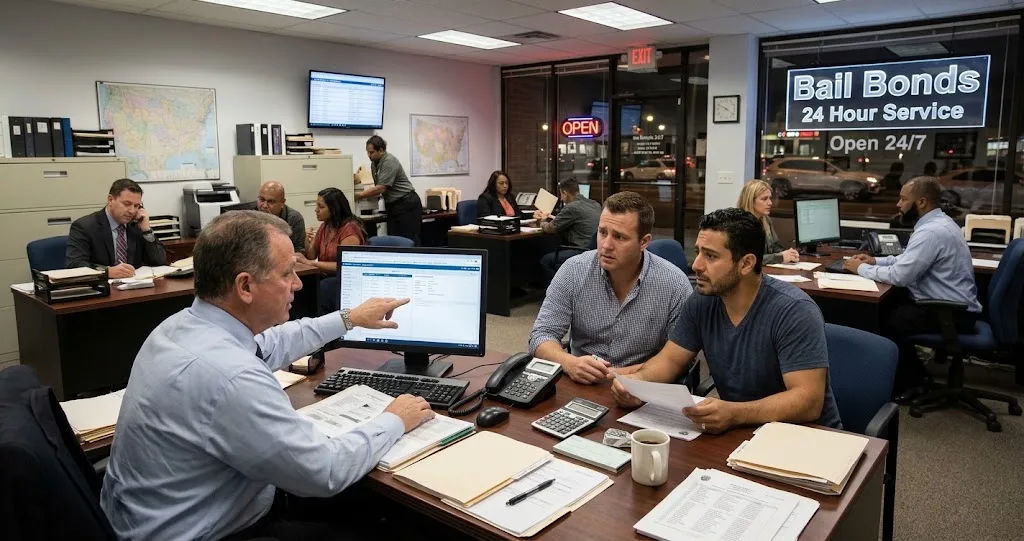 pomona bail bonds services may help families understand the inmate-location process and identify the information needed before discussing possible release arrangements. However, locating an inmate usually begins with checking official jail records, contacting the correct detention facility, and confirming the person's booking information.
Understanding how this process works can save time and prevent unnecessary confusion. Families should know which details to collect, where to look for accurate information, and what to do if an inmate does not immediately appear in an online database.
This comprehensive guide explains how bail bond agencies locate inmates, what information they typically need, how jail booking records work, and what families can expect throughout the process.
How Inmate Searches Work
An inmate search is the process of finding information about someone who has been arrested and placed in a detention facility. Depending on the circumstances, the person may be held at a local police department, county jail, or another correctional facility.
In Pomona, California, the location of an arrested individual depends on which law enforcement agency handled the arrest and where the person was transferred.
Before discussing bail arrangements, families generally need to confirm the individual's current detention location.
Why Finding an Inmate Is Important
Knowing where someone is being held helps family members understand what steps may be available.
It also allows them to obtain accurate information about the booking process, potential charges, custody status, and applicable bail conditions.
Without the correct facility information, families may contact the wrong department or experience delays when trying to obtain updates.
How Bail Bond Agencies Help
A bail bond agency can help families understand how to locate an individual through available public information and appropriate official channels.
When someone contacts pomona bail bonds, the agency may ask for identifying details to help determine whether the individual has been booked and whether bail information is available.
The agency does not independently control jail records or decide whether someone can be released. Those responsibilities belong to the relevant law enforcement agencies and courts.
1. Collecting Basic Information About the Arrested Person
The first step in locating an inmate is gathering accurate identifying information.
Bail bond professionals generally need enough details to distinguish the individual from other people with similar names.
Providing complete information can make communication with the detention facility more straightforward.
Full Legal Name
The person's full legal name is usually the most important starting point.
Families should provide the name used on official identification whenever possible.
Nicknames, shortened names, or spelling variations may make searches more difficult.
If the individual has multiple legal names, sharing the relevant information can help clarify the search.
Date of Birth
A date of birth helps distinguish between individuals who have similar or identical names.
For example, a jail database might contain several people with the same last name.
Combining the full name with the date of birth can help identify the correct booking record.
Approximate Arrest Date
Knowing when the arrest occurred is also helpful.
An approximate date allows the family or agency to narrow down the period when the person may have entered custody.
It is useful to mention whether the arrest happened recently because booking information may take time to become available.
Arresting Agency
If the family knows which police department made the arrest, that information can help identify the appropriate agency to contact.
An arrest within Pomona may involve the Pomona Police Department, but the actual detention location can depend on the circumstances.
2. Checking Official Jail Inmate Records
Official detention records are among the most reliable sources of information about someone who has been arrested.
These records may include booking information, custody status, facility details, and other information that is legally available to the public.
Using Online Inmate Search Systems
Many law enforcement agencies provide online inmate search tools.
Depending on the agency, these systems may allow users to search using a person's name or booking number.
An online search can provide useful information, including:
-
Inmate's full name.
-
Booking number.
-
Booking date.
-
Current custody status.
-
Facility information.
-
Available bail information.
Not every detention facility provides the same information.
Some databases update regularly, while others may have delays or limited search features.
Checking Los Angeles County Jail Information
Pomona is located in Los Angeles County, so some individuals arrested in the area may be processed through the Los Angeles County Sheriff's Department or held within the county jail system.
Families can consult the official Los Angeles County Sheriff's Department website for inmate information and relevant custody services.
Official resources are preferable to unofficial websites because they are more likely to provide accurate and current records.
Why Official Sources Matter
Third-party inmate directories sometimes contain outdated or incomplete information.
A person may have already been transferred, released, or moved to another facility.
For this reason, families should confirm important details directly with the relevant detention authority.
3. Contacting the Appropriate Detention Facility
An online search does not always provide immediate results.
Sometimes, the individual has recently been arrested and the booking process is still underway.
In these situations, contacting the appropriate detention facility may help clarify the person's status.
Speaking With Jail Personnel
Families can contact the facility through its publicly listed telephone number.
They may be asked to provide the individual's full name, date of birth, and approximate arrest date.
Jail personnel can explain what information is available and whether the person has been entered into the facility's records.
However, certain details may be restricted because of privacy rules, security concerns, or applicable laws.
Confirming the Current Location
An individual may be transferred after the initial arrest.
For example, someone could be taken to a police station for processing before being moved to a county detention facility.
This means the first location identified by the family may not be the person's current location.
A bail bond professional can help families understand which official department may have the relevant information.
Asking About Booking Status
Booking is an administrative process that generally follows an arrest.
It may involve recording personal information, documenting the arrest, and entering relevant details into the detention system.
Until this process is completed, the person's information may not appear in an online inmate search.
4. Using Booking Numbers to Identify an Inmate
A booking number is a unique identifier assigned to an individual during the booking process.
It is particularly useful when someone has a common name or when several people have similar identifying details.
What Is a Booking Number?
A booking number helps detention staff identify a specific custody record.
It may be used when checking inmate information, discussing bail arrangements, or communicating with the appropriate authorities.
Families should keep this number available once they receive it.
Why Booking Numbers Make Searches Easier
Searching with a booking number can reduce confusion caused by similar names.
It also helps ensure that conversations with a bail bond agency relate to the correct individual.
When contacting pomona bail bonds, providing the booking number, if available, can make the initial discussion more efficient.
What If the Booking Number Is Unknown?
Not having a booking number does not necessarily prevent an inmate search.
Families can usually begin with the person's legal name and date of birth.
The detention facility or relevant official database may provide additional information once the record becomes available.
5. Reviewing the Inmate's Bail Information
After locating an inmate, the next step may involve determining whether bail has been established.
Bail is a legal process that may allow an eligible person to be released from custody while their case continues, subject to applicable conditions.
Not every arrested person is eligible for release through bail.
The Bail Amount
The bail amount depends on several factors, including the alleged offense, applicable court schedules, and individual circumstances.
Some cases may have a scheduled bail amount, while others require a court hearing or judicial decision.
A bail bond agency can explain how its services generally work and what financial arrangements may be available.
Checking Whether Bail Has Been Set
Families should confirm the current bail information through official jail or court records.
An amount appearing on an older record may no longer reflect the current status of the case.
Court decisions, new charges, or other legal developments can affect release conditions.
Different Release Conditions
Bail is not the only possible way someone may be released from custody.
Depending on the case, a court may authorize release on recognizance or impose other conditions.
A qualified attorney can explain the legal options available in a particular situation.
6. How Pomona Bail Bonds Communicate With Families
Once an inmate has been identified, families may contact a bail bond agency to understand the available services.
Communication is important because the process can involve several different organizations.
Asking for Basic Case Information
An agency may request details such as:
-
The arrested person's legal name.
-
Date of birth.
-
Booking number.
-
Current detention facility.
-
Available bail amount.
-
Arresting agency.
These details help the agency understand the situation before explaining its services.
Explaining the Bail Bond Process
A bail bond generally involves an agreement with a licensed bail bond agent.
The agent may post a bond on behalf of the defendant, subject to the applicable legal and financial requirements.
The family or other responsible person may be required to sign an agreement and pay a nonrefundable premium.
The exact terms should be explained before anyone signs.
Providing Information About Costs
Families should request a clear explanation of all charges and contractual obligations.
They should understand the premium, any collateral requirements, payment arrangements, and circumstances that could create additional financial responsibilities.
A trustworthy agency should answer questions without making unrealistic promises.
7. What Happens When an Inmate Cannot Be Found?
Sometimes, families cannot locate an arrested person even after checking available databases.
This situation can be stressful, but it does not automatically mean that the individual has been released or that something unusual has happened.
Several ordinary administrative reasons may explain the missing information.
The Booking Process Is Not Complete
Recently arrested individuals may not appear in online systems immediately.
The detention facility may still be processing the arrest.
In such cases, families can contact the arresting agency or the relevant detention facility for guidance.
The Individual Has Been Transferred
An inmate may be moved from one location to another.
For example, the individual could initially be held at a local police facility before being transferred to a county jail.
Families should verify the current location instead of relying entirely on the first available record.
Incorrect Personal Information
A spelling mistake or incorrect date of birth can prevent a successful search.
Families should double-check the information they provide.
Using the person's complete legal name can make the process more accurate.
Restricted or Unavailable Records
Some information may not be publicly accessible.
Juvenile records, protected information, and certain sensitive custody details may be subject to restrictions.
In these situations, families should follow the official procedures explained by the relevant authority.
8. Can Pomona Bail Bonds Find Someone Immediately After Arrest?
The timing of an inmate search depends on when the arrest occurred and how quickly the relevant agency completes its administrative procedures.
There is no guarantee that an individual's information will become available immediately.
Processing Delays
After an arrest, several administrative steps may take place before a complete booking record becomes available.
These may include identity verification, documentation, and other required procedures.
The time required can vary depending on the circumstances and the facility's workload.
What Families Can Do While Waiting
Families can prepare the information that may be needed later.
They can also identify the appropriate official detention authority and keep its contact information available.
A bail bond agency may explain what information will be required once the booking record becomes accessible.
Why Accurate Information Is Better Than Guesswork
Making assumptions about an individual's location can lead to unnecessary confusion.
It is better to confirm information through official sources than rely on rumors, social media posts, or outdated online directories.
9. Important Questions to Ask a Bail Bond Agency
Before choosing a bail bond provider, families should understand how the agency operates.
Asking clear questions can help prevent misunderstandings.
Is the Agency Properly Licensed?
California regulates bail bond agents.
Families should verify that the person or business they contact has the appropriate license.
The California Department of Insurance provides resources for checking insurance licenses and understanding relevant regulations.
What Fees Are Required?
Ask for a written explanation of the premium and any additional expenses.
Families should understand which payments are refundable and which are not.
They should also review the financial responsibilities associated with signing a bail bond agreement.
How Will the Agency Provide Updates?
Communication is especially important when several family members are involved.
Ask how the agency shares updates and which information it can legally provide.
It is also helpful to identify one person who will communicate with the agency to avoid conflicting instructions.
What Happens If the Court Changes the Bail Conditions?
Court decisions can affect the original release arrangement.
Families should ask how changes in bail conditions may affect the agreement and whether additional steps will be necessary.
An attorney can provide independent legal guidance when questions arise about the defendant's rights or court proceedings.
10. Common Mistakes to Avoid During an Inmate Search
Searching for an arrested individual can be overwhelming, particularly when the family has little experience with the detention system.
Avoiding common mistakes can make the process more organized.
Relying Only on Search Engines
General internet searches may show outdated information or records belonging to another person.
Always verify important details through official sources.
Providing Incomplete Information
Giving only a first name or nickname may make identification difficult.
Whenever possible, provide the legal name and date of birth.
Assuming Every Arrest Leads to the Same Facility
Different agencies and legal circumstances can affect where someone is held.
Do not assume that every person arrested in Pomona will be processed at the same location.
Signing Documents Without Reading Them
Bail bond agreements can create significant financial responsibilities.
Read every document carefully and ask questions about unclear terms.
Never sign an agreement that you do not understand.
Ignoring Legal Advice
A bail bond agency can explain its services, but it does not replace an attorney.
For questions involving charges, court proceedings, legal rights, or defense strategies, families should consult a qualified lawyer.
11. Useful Resources for Locating an Inmate in Pomona
Official resources can help families obtain accurate information about an arrest and the detention process.
The following organizations are useful starting points.
Pomona Police Department
The Pomona Police Department may provide information about arrests handled by its officers.
Families can use its official website to find publicly listed contact details and determine which department to contact.
Website: City of Pomona Official Website
Los Angeles County Sheriff's Department
The Los Angeles County Sheriff's Department operates county detention facilities and provides information about its correctional services.
Its official website is a useful resource when someone may be held within the county jail system.
Website: Los Angeles County Sheriff's Department
California Department of Insurance
The California Department of Insurance provides information about insurance licensing and consumer protection.
Families can use its resources to verify relevant licensing information before working with a bail bond agent.
Website: California Department of Insurance
California Courts
The California Courts website provides general information about court procedures, legal resources, and the state's judicial system.
It can help families understand what may happen after an arrest.
Website: California Courts Official Website
12. Tips for Making the Inmate Search Process Easier
A little preparation can make communication with detention facilities and bail bond agencies more organized.
Families should focus on collecting accurate information and keeping track of important updates.
Keep Important Information Together
Maintain a record of the person's legal name, date of birth, arrest date, and booking number.
If the facility provides additional reference information, keep that in the same record.
Record Important Conversations
Write down the date and time of calls, the department contacted, and the general information provided.
This can help prevent repeated questions and confusion.
Use Official Contact Details
Always obtain telephone numbers and website addresses from official government sources.
This reduces the risk of contacting an unrelated business or sharing personal information with an unreliable website.
Be Patient With Administrative Procedures
Booking and transfer procedures can take time.
Families should remain organized and follow the instructions provided by the appropriate authorities.
Understand the Limits of Bail Bond Services
A bail bond agent can assist with the financial and administrative aspects of obtaining a bond.
However, the agency cannot guarantee an immediate release, change criminal charges, or override a court order.
Understanding these limitations helps families maintain realistic expectations.
Conclusion
Finding an arrested individual can be a challenging experience, especially when family members do not know which detention facility is responsible for holding the person. However, understanding the inmate search process can make it easier to obtain accurate information and determine what steps may be available.
The process generally begins with collecting the individual's full legal name, date of birth, and approximate arrest date. Families can then check official inmate databases, contact the relevant detention facility, and confirm the person's booking information. If the individual has been transferred, it may be necessary to contact another department or facility.
pomona bail bonds agencies may help families understand how to locate an inmate, identify the information needed for a bail inquiry, and learn about the general requirements of obtaining a bail bond. Their assistance can make communication and administrative arrangements easier, but official detention authorities remain the primary source for confirming custody information.
Families should also understand the importance of reviewing bail conditions, checking agency licensing, and reading financial agreements carefully. If legal questions arise, consulting a qualified attorney is an important step.
Ultimately, accurate information, patience, and communication with official sources are essential when locating an inmate in Pomona. By following the appropriate procedures and understanding the responsibilities involved, families can approach the situation with greater confidence and make informed decisions about the next steps.