
The quality of fight wear plays an important role in athlete comfort, safety, performance, and confidence. Whether the clothing is designed for boxing, kickboxing, MMA, wrestling, or other combat sports, every product must meet specific standards before reaching customers. Poor-quality stitching, uncomfortable fabrics, weak seams, and incorrect sizing can affect an athlete's experience during training and competition. This is why manufacturers follow detailed quality-control procedures throughout production.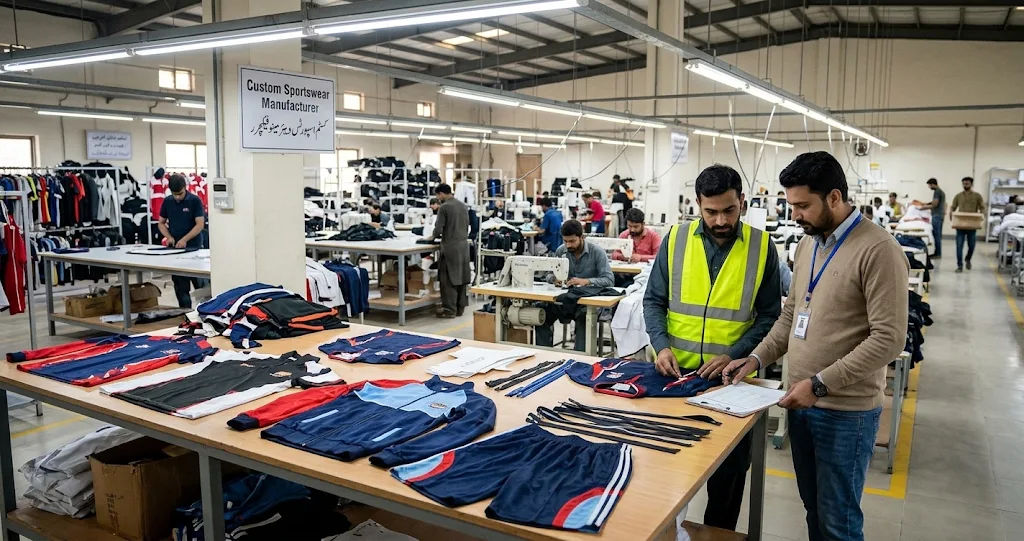
A professional Custom Fight Wear Manufacturer understands that combat sports clothing must handle regular movement, stretching, friction, and repeated washing. Manufacturers cannot rely only on the appearance of a finished product. They must also examine the fabric, stitching, construction, fit, flexibility, and durability to make sure each item meets the required expectations. Quality checks help identify problems early and prevent defective products from reaching customers.
Understanding how manufacturers inspect their products can help sports brands, gym owners, retailers, and athletes make better purchasing decisions. From selecting raw materials to completing final inspections, every production stage contributes to the quality of the finished clothing.
Quality Control in Fight Wear Manufacturing
Quality control is the process of checking materials and finished products to make sure they meet established requirements. In fight wear manufacturing, this process begins before production and continues until the products are packed for delivery.
Combat sports clothing has different requirements from ordinary casual clothing. It must support movement, provide comfort, and maintain its structure during demanding physical activities.
Manufacturers therefore establish inspection procedures based on the type of clothing they produce.
Why Quality Control Is Important
Quality control helps manufacturers maintain consistency across different production batches. Customers expect every item in an order to have similar fabric quality, measurements, stitching, and finishing.
Without proper inspections, a batch might contain products with different sizes, uneven seams, or damaged materials.
Regular quality checks provide several benefits:
-
They reduce manufacturing defects.
-
They improve product durability.
-
They maintain consistent sizing.
-
They help identify unsuitable materials.
-
They improve customer satisfaction.
-
They reduce returns and replacement costs.
-
They protect the reputation of a clothing brand.
A reliable manufacturer treats quality control as an essential production activity rather than an additional step performed at the end.
Selecting and Inspecting Raw Materials
The first major quality check takes place when raw materials arrive at the manufacturing facility. Fabric selection has a direct influence on comfort, flexibility, durability, and overall product performance.
Manufacturers inspect materials before approving them for cutting and stitching.
Checking Fabric Quality
The inspection team examines fabric for visible defects such as holes, stains, uneven coloring, loose threads, and damaged areas.
They also check whether the material has consistent thickness and texture.
For example, fabrics used in compression shirts may require stretch and recovery properties. Materials used in boxing shorts may need lightweight construction and enough flexibility for active movement.
The fabric must match the specifications provided by the customer.
Testing Fabric Strength
Fabric strength is another important consideration. Combat sports clothing experiences repeated stretching, friction, and movement.
Manufacturers may conduct tensile-strength tests to evaluate how much force a fabric can withstand before breaking.
They may also examine tear resistance to determine whether the material can resist damage when exposed to pulling forces.
These tests help manufacturers understand whether the selected fabric is suitable for its intended application.
Checking Color Consistency
Color consistency matters when producing customized sportswear for teams and brands.
The inspection team compares fabric colors with approved samples or color specifications.
This helps prevent noticeable differences between individual garments.
Manufacturers may also conduct colorfastness tests to determine whether dyes remain stable during washing, rubbing, and exposure to moisture.
Inspecting Stitching and Seam Construction
Stitching is one of the most important parts of fight wear manufacturing. Even high-quality fabric can produce an unreliable garment if the seams are poorly constructed.
A professional Custom Fight Wear Manufacturer pays close attention to stitching because combat sports clothing must accommodate frequent movement and stretching.
Examining Stitch Quality
Inspectors examine seams to identify loose threads, skipped stitches, uneven spacing, and incomplete stitching.
They also check whether the stitching follows the approved design.
A garment should have clean and consistent seams without unnecessary gaps or visible damage.
The inspection team may pay particular attention to areas that experience regular movement, including:
-
Shoulder seams.
-
Underarm sections.
-
Waistbands.
-
Side seams.
-
Crotch areas.
-
Leg openings.
-
Neckline construction.
These areas may require stronger construction depending on the garment's design and intended use.
Testing Seam Strength
Seam strength testing helps determine whether stitched sections can withstand normal fabric tension.
Manufacturers may use specialized testing equipment to apply controlled force to a seam and measure its resistance.
If a seam opens too easily, the production team may need to adjust the thread, stitching method, or construction.
Checking Thread Quality
Thread selection also affects the finished product.
Manufacturers examine thread thickness, strength, color, and compatibility with the selected fabric.
Using unsuitable thread can lead to broken stitches, uneven seams, or poor finishing.
The thread should provide a secure connection while maintaining the intended appearance of the garment.
Evaluating Fit and Size Accuracy
Correct sizing is essential for comfortable fight wear. Clothing that is too tight may restrict movement, while clothing that is too loose may interfere with training activities.
Manufacturers use measurement charts and approved product samples to evaluate sizing accuracy.
Measuring Finished Garments
Quality inspectors measure different parts of each garment according to its design.
For example, a compression shirt may require checks for:
-
Chest width.
-
Shoulder width.
-
Body length.
-
Sleeve length.
-
Waist measurement.
For fight shorts, inspectors may examine waist circumference, inseam, overall length, and leg opening.
The measurements are compared with the approved size specifications.
Small differences may be acceptable within an established tolerance, but measurements outside the approved range require further investigation.
Checking Size Consistency
Manufacturers also compare garments from the same production batch.
Two items labeled as the same size should have reasonably consistent measurements.
This is particularly important for sports brands that sell clothing in several size categories.
A reliable inspection process reduces sizing complaints and helps customers receive products that match their expectations.
Testing Stretch and Flexibility
Combat sports involve a wide range of body movements. Clothing must accommodate these movements without becoming uncomfortable or losing its shape.
Manufacturers therefore evaluate the flexibility of fabrics and finished garments.
Checking Stretch Performance
Stretch testing measures how much a material can extend when force is applied.
Inspectors may examine the fabric in different directions because some materials stretch differently across their width and length.
This information helps determine whether a material is suitable for compression clothing, training shirts, shorts, or other sportswear.
Evaluating Recovery
Stretch recovery refers to a fabric's ability to return toward its original shape after being stretched.
Poor recovery may cause clothing to become loose or lose its intended fit after repeated use.
Manufacturers may perform repeated stretching tests to evaluate how well the material maintains its structure.
This process helps identify fabrics that are unsuitable for demanding sportswear applications.
Checking Printing, Logos, and Custom Designs
Custom fight wear often includes team logos, brand names, numbers, patterns, and other visual elements.
These details are important because customers expect the finished garment to match their approved design.
A manufacturer must therefore inspect both the appearance and durability of customized features.
Reviewing Design Accuracy
Inspectors compare the finished product with the approved artwork.
They examine logo placement, text alignment, colors, dimensions, and overall design proportions.
For example, a logo placed on the chest should match the agreed position and size.
Any noticeable difference should be identified before the product moves to final packaging.
Testing Print Durability
Printing quality is particularly important for garments that experience regular washing and stretching.
Depending on the printing method, manufacturers may perform washing, rubbing, and adhesion tests.
These checks help determine whether printed designs remain clear and properly attached to the fabric.
Inspectors look for problems such as:
-
Peeling graphics.
-
Cracked printing.
-
Faded colors.
-
Uneven print surfaces.
-
Misaligned artwork.
-
Missing design details.
The printing method should be appropriate for the selected fabric and intended garment use.
Inspecting Comfort and Fabric Finishing
Comfort is another major quality factor. Athletes need clothing that feels suitable during training and competition.
Manufacturers examine the finished garment for rough surfaces, irritating labels, sharp edges, and uncomfortable construction.
Checking Internal Finishing
The inside of a garment should receive the same attention as its outer appearance.
Inspectors examine seams, labels, waistbands, and other internal sections.
They check whether loose threads or rough edges could cause discomfort.
A neatly finished garment generally provides a better wearing experience.
Examining Breathability
Breathability refers to how easily air and moisture can pass through a fabric.
Manufacturers may evaluate fabric properties through suitable laboratory tests.
Materials intended for intense training may need effective moisture management to support comfort.
However, breathability requirements depend on the product category, fabric composition, and intended use.
Reviewing Fabric Weight
Fabric weight can influence how a garment feels and performs.
Lightweight materials may be appropriate for certain training clothes, while other designs may require heavier fabrics for structure and coverage.
Manufacturers compare actual fabric weight with the approved specifications to maintain consistency.
Conducting Washing and Durability Tests
Fight wear is often washed regularly because athletes use it during frequent training sessions.
Manufacturers therefore examine how garments respond to repeated washing and normal care procedures.
Testing Shrinkage
Some fabrics may shrink after washing or drying.
Manufacturers can measure garments before and after controlled washing procedures to identify changes in dimensions.
The results help determine whether the material maintains its intended size.
If shrinkage exceeds the accepted limit, the manufacturer may need to select another fabric or adjust its production process.
Checking Colorfastness After Washing
Washing tests also help identify whether fabric colors remain consistent.
Inspectors look for fading, discoloration, and dye transfer.
This is particularly important for products featuring multiple colors or contrasting fabric panels.
Evaluating Long-Term Durability
Manufacturers may conduct repeated washing and wear-related tests to assess how well a garment maintains its appearance and construction.
They examine whether:
-
Seams remain secure.
-
Fabric maintains its structure.
-
Prints stay attached.
-
Colors remain acceptable.
-
Elastic sections retain their performance.
-
The garment maintains its intended shape.
These inspections provide useful information about expected product durability.
Checking Safety and Product Requirements
Fight wear should be designed for its intended sporting activity. Although ordinary clothing inspections are important, manufacturers must also consider relevant product specifications and safety expectations.
Reviewing Material Suitability
Manufacturers check whether the selected fabrics, trims, dyes, and accessories are suitable for the intended product.
They may request supplier documentation or independent laboratory testing when necessary.
This is particularly relevant when customers specify material restrictions or particular testing standards.
Examining Accessories and Components
Some fight wear products include drawstrings, elastic waistbands, hook-and-loop fasteners, decorative elements, or other accessories.
Inspectors examine these components to make sure they are correctly attached and consistent with the approved design.
Poorly attached accessories can affect product usability and durability.
Following Applicable Standards
Depending on the product category and target market, manufacturers may need to consider textile labeling, chemical restrictions, and other applicable requirements.
Customers should discuss relevant standards with their manufacturer before production begins.
Not every fight wear item follows the same requirements, so inspections should reflect the specific product and destination market.
Using Production-Line Inspections
Quality control should not happen only after a garment is completed.
Manufacturers often inspect products at several points during production to identify mistakes before they affect an entire order.
Checking Fabric Cutting
During cutting, inspectors verify pattern placement, measurements, and fabric condition.
They check whether pieces follow the approved patterns and whether the cutting process creates clean edges.
Incorrect cutting can cause sizing problems and material waste.
Monitoring Sewing Operations
Production supervisors examine stitching while garments are being assembled.
They may inspect sample pieces from different production stages to identify recurring problems.
If an issue appears, the team can investigate the sewing machine settings, operator technique, thread selection, or fabric behavior.
Reviewing Finishing Operations
After sewing, garments may undergo trimming, pressing, labeling, and other finishing activities.
Inspectors check whether these operations have been completed correctly.
This stage helps improve consistency and prepares products for the final quality assessment.
Understanding the Final Quality Inspection
The final inspection is one of the most important stages in the manufacturing process.
At this point, garments are examined as completed products to determine whether they meet the customer's requirements.
A professional Custom Fight Wear Manufacturer may use a documented inspection checklist to make sure important product features are reviewed.
Visual Inspection
Inspectors examine the outside and inside of finished garments.
They look for stains, holes, damaged fabric, uneven stitching, loose threads, printing defects, and other visible problems.
The garment should also match the approved sample in appearance and construction.
Measurement Inspection
Selected garments are measured against the approved size chart.
The inspection team checks whether measurements remain within the agreed tolerances.
Depending on the order size and quality agreement, the manufacturer may inspect every item or use an appropriate sampling procedure.
Defect Classification
Manufacturers often classify defects according to their seriousness.
Common categories include:
Critical defects: Problems that create serious safety or compliance concerns.
Major defects: Problems that significantly affect usability, construction, appearance, or customer requirements.
Minor defects: Small imperfections that do not substantially affect the garment's intended use.
Defect classification helps manufacturers make consistent decisions about product acceptance and corrective action.
Maintaining Quality Through Documentation
Documentation allows manufacturers to track quality throughout production.
Instead of depending entirely on individual experience, the inspection team can follow written procedures and compare results.
Maintaining Inspection Records
Records may include:
-
Fabric inspection results.
-
Approved material specifications.
-
Size measurement reports.
-
Stitching inspection details.
-
Printing test results.
-
Washing test reports.
-
Final inspection records.
-
Defect and correction reports.
These documents help manufacturers understand where problems occur and how they were resolved.
Improving Production Processes
Quality records can also reveal repeated manufacturing problems.
For example, if the same stitching issue appears across multiple batches, supervisors can investigate the cause and introduce corrective measures.
This continuous improvement approach helps manufacturers maintain reliable production standards.
How Customers Can Evaluate Manufacturer Quality
Customers should also take an active role in checking the quality of their fight wear orders.
Choosing a manufacturer based only on price or appearance may lead to disappointing results.
A few practical steps can make the purchasing process more reliable.
Request Samples Before Bulk Production
A sample allows customers to examine fabric, measurements, stitching, printing, and finishing before approving a large order.
It also gives both parties an opportunity to identify design problems.
Customers should request approval samples that reflect the intended production materials and construction.
Discuss Quality Requirements Clearly
Before production begins, customers should explain their expectations.
These may include fabric composition, garment measurements, stitching requirements, print durability, color matching, and packaging.
Clear specifications reduce misunderstandings.
Ask About Inspection Procedures
Customers can ask how the manufacturer checks materials, monitors production, and performs final inspections.
They can also ask whether test reports or inspection records are available.
A manufacturer that explains its quality procedures clearly can make the purchasing process more transparent.
Review Completed Orders
When receiving an order, customers should examine the garments before distributing or selling them.
They should compare products with approved samples and specifications.
If defects are discovered, they should document the problems and contact the manufacturer promptly.
Conclusion
Quality control is an essential part of producing reliable combat sports clothing. From raw material selection to final packaging, manufacturers must examine every important production stage to ensure that garments meet the required standards. Fabric strength, stitching quality, sizing accuracy, flexibility, printing durability, comfort, and finishing all contribute to the performance and appearance of the finished product.
A professional Custom Fight Wear Manufacturer uses different inspection methods to identify defects and maintain consistency. Fabric testing helps determine whether materials are suitable, while seam inspections evaluate construction quality. Measurement checks support accurate sizing, and washing tests provide information about durability. Production-line inspections and final assessments further reduce the possibility of defective garments reaching customers.
Customers also have an important role in maintaining product quality. Requesting samples, discussing specifications, reviewing inspection procedures, and checking completed orders can prevent unnecessary problems. Clear communication between manufacturers and customers creates better expectations and supports successful production.
Ultimately, quality should be considered throughout the entire manufacturing process rather than judged only by the appearance of a finished garment. When manufacturers combine suitable materials, skilled production, proper testing, and detailed inspections, they can produce fight wear that meets customer expectations and supports the demands of combat sports.