
Pakistani Fashion is vibrant, diverse, and full of history. From the intricate embroidery of traditional dresses to modern trends influenced by global fashion, Pakistan offers a wide range of styles for every personality.
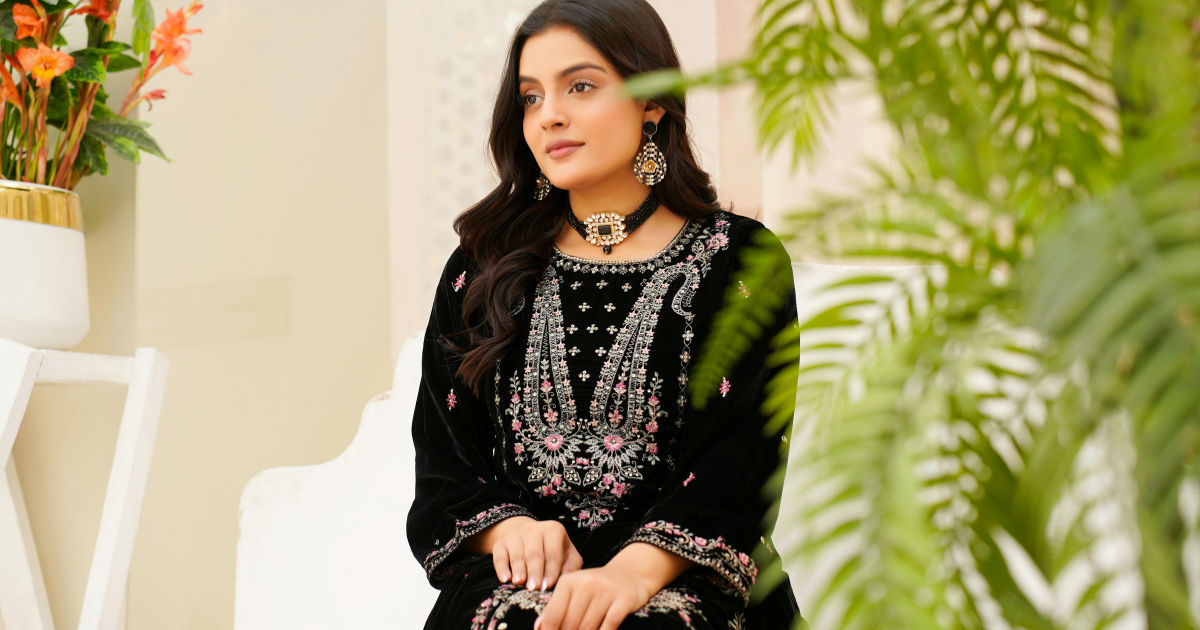
However, despite its richness, many myths and misconceptions about Pakistani Fashion have spread over time. These myths often discourage people from embracing the beauty and creativity of Pakistani clothing.
In this guide, we will debunk these myths once and for all, helping readers understand the truth behind Pakistani Fashion, with insights available on nani je.
Myth 1: Pakistani Fashion is Only Traditional
One of the most common myths is that Pakistani Fashion is limited to traditional attire like shalwar kameez and sarees. While it’s true that these outfits are iconic and form the backbone of Pakistani clothing, the fashion scene in Pakistan has evolved significantly.
Modern Pakistani designers blend traditional and contemporary styles, creating fusion wear that appeals to younger generations. For example, tunics paired with jeans, asymmetrical dresses with ethnic prints, and modern lehenga designs are gaining popularity. The industry is no longer confined to weddings and festivals; everyday Pakistani Fashion has become diverse and stylish.
The idea that Pakistani Fashion is only for traditional occasions is outdated. Today, you can find casual, semi-formal, and high-fashion outfits inspired by Pakistan’s rich cultural heritage.
Myth 2: Pakistani Fashion is Expensive
Another misconception is that Pakistani Fashion is always expensive and unaffordable. While designer collections can be pricey, Pakistani Fashion is highly versatile in terms of budget.
Local markets, online boutiques, and high-street brands offer quality clothing at reasonable prices. Even designer-inspired styles are often made more accessible through replicas or seasonal sales. Moreover, Pakistani Fashion values craftsmanship and quality, meaning that even moderately priced outfits can last long and look elegant.
This myth often stops people from exploring Pakistani Fashion fully. In reality, there is something for every budget, and looking stylish does not necessarily require a designer label.
Myth 3: Pakistani Fashion is Only for Women
Many believe Pakistani Fashion primarily caters to women. While women’s clothing indeed dominates the industry, men’s fashion in Pakistan has grown considerably.
Men’s traditional wear, including kurta pajamas, sherwanis, and waistcoats, has been modernized with contemporary cuts, fabrics, and patterns. Casual menswear, such as tailored shirts, trousers, and ethnic jackets, has also gained prominence. Pakistani Fashion for men is now about comfort, style, and individuality.
Ignoring men’s fashion is a big mistake. Men, too, have numerous options to express their personality and cultural roots through Pakistani Fashion.
Myth 4: Pakistani Fashion is Outdated
Some people think Pakistani Fashion is stuck in the past, mainly because of its traditional roots. This is far from the truth. Pakistani Fashion constantly evolves, with designers experimenting with cuts, fabrics, and colors.
Fashion weeks in Karachi, Lahore, and Islamabad showcase contemporary designs that rival international fashion trends. Fusion wear, bold prints, and minimalist styles are becoming increasingly popular. Pakistani Fashion combines heritage with modernity, making it relevant for every generation.
Believing that Pakistani Fashion is outdated prevents people from embracing the modern creativity thriving in the industry. In reality, Pakistani Fashion continues to evolve while honoring its cultural essence.
Myth 5: Pakistani Fashion is Only About Weddings
It’s true that weddings are a significant part of Pakistani Fashion, with elaborate bridal wear and formal outfits. However, Pakistani Fashion is not limited to weddings. Casual wear, office wear, festive wear, and street style are all important aspects of the industry.
Designers now focus on creating versatile collections that cater to daily life, office settings, and casual gatherings. Fabrics like cotton, lawn, and linen are popular for everyday wear, while silk, chiffon, and velvet dominate festive and formal occasions. Pakistani Fashion is not restricted to bridal couture; it is a lifestyle choice.
Myth 6: Pakistani Fashion is All About Heavy Embroidery
Many people assume that Pakistani Fashion is synonymous with heavy embroidery and embellishments. While embroidery is a significant part of the culture, Pakistani Fashion also includes minimalist and subtle designs.
Modern collections feature simple prints, elegant cuts, and understated styles suitable for everyday wear. Even bridal and formal outfits now offer options with delicate embroidery or contemporary patterns. The idea that Pakistani Fashion always needs to be heavily adorned is outdated. There is room for simplicity, elegance, and sophistication.
Myth 7: Pakistani Fashion is Only for the Elite
Another common myth is that Pakistani Fashion is reserved for wealthy individuals. Historically, some designer outfits were exclusive, but the modern fashion scene has become more inclusive.
High-street brands, online stores, and independent designers provide stylish clothing at various price points. Social media platforms have also allowed small businesses to showcase their designs, making Pakistani Fashion accessible to a wider audience. Today, you don’t need to be rich to enjoy stylish and authentic Pakistani Fashion.
Myth 8: Pakistani Fashion is Inflexible
Some people believe that Pakistani Fashion is rigid, with fixed styles that must be followed. On the contrary, the industry is highly adaptable. Designers constantly experiment with fusion wear, mix-and-match outfits, and unconventional designs.
Customization has become a key feature, allowing individuals to tailor outfits according to personal taste, body type, and occasion. Pakistani Fashion celebrates individuality and creativity, making it flexible and innovative.
Myth 9: Pakistani Fashion Cannot Be Worn Internationally
A common misconception is that Pakistani Fashion is only suitable for local contexts. Many people shy away from wearing Pakistani outfits abroad, thinking they might look out of place.
In reality, Pakistani Fashion is versatile and can be worn internationally. Fusion wear, contemporary kurtas, and elegant dresses fit perfectly into global fashion scenes. Celebrities and fashion influencers worldwide have embraced Pakistani designs, showing that Pakistani Fashion can be stylish anywhere.
Myth 10: Pakistani Fashion is Monotonous
Some people think Pakistani Fashion lacks variety and repeats the same patterns and designs. This myth ignores the creativity of designers who constantly push boundaries.
Pakistan boasts a diverse range of fabrics, colors, cuts, and styles. From traditional hand-embroidered outfits to modern minimalist designs, Pakistani Fashion caters to different tastes and preferences. Regional variations also add to the richness, with Sindhi, Punjabi, Balochi, and Pashtun influences contributing unique styles. Pakistani Fashion is far from monotonous; it celebrates diversity and innovation.
How Pakistani Fashion is Evolving
Understanding these myths helps appreciate how Pakistani Fashion is evolving. Designers are now more experimental, combining traditional craftsmanship with global trends. The rise of digital platforms has made fashion more accessible, while young designers bring fresh perspectives to the industry.
Fashion education and international collaborations have also contributed to the growth of Pakistani Fashion. Today, you can find everything from casual wear to couture, all reflecting Pakistan’s rich cultural heritage.
Tips to Embrace Pakistani Fashion
-
Experiment Freely: Don’t restrict yourself to traditional or formal wear. Mix modern and ethnic pieces to create unique looks.
-
Explore Local Designers: Support local talent and discover fresh styles that reflect Pakistani Fashion’s diversity.
-
Focus on Comfort: Choose fabrics and designs that suit your lifestyle. Pakistani Fashion is not just about looks; comfort matters too.
-
Stay Updated: Follow fashion shows, online boutiques, and influencers to keep up with the latest trends.
-
Personalize Your Style: Pakistani Fashion allows customization. Add your personal touch to outfits to stand out.
Conclusion
Pakistani Fashion is more than just clothing; it is a reflection of culture, creativity, and individuality. The myths surrounding it—whether about expense, exclusivity, or style limitations—often prevent people from fully appreciating its richness. By debunking these myths, we can see that Pakistani Fashion is inclusive, versatile, and continuously evolving.
Whether you are drawn to traditional embroidery, modern fusion wear, casual outfits, or high-fashion couture, Pakistani Fashion offers something for everyone. It encourages self-expression, celebrates heritage, and embraces contemporary trends.
Next time you hear a misconception about Pakistani Fashion, remember that it is dynamic, accessible, and ever-evolving. Embrace the styles that resonate with you, and explore the endless possibilities of Pakistani Fashion.
By understanding the truth behind these myths, anyone can confidently incorporate Pakistani Fashion into their wardrobe, whether locally or internationally. Celebrate its diversity, experiment with styles, and appreciate the artistry that makes Pakistani Fashion truly special.