
When it comes to modern building design, the visual appeal of a structure is as important as its structural integrity. One of the most popular solutions for enhancing building exteriors is the use of ACP cladding panels system.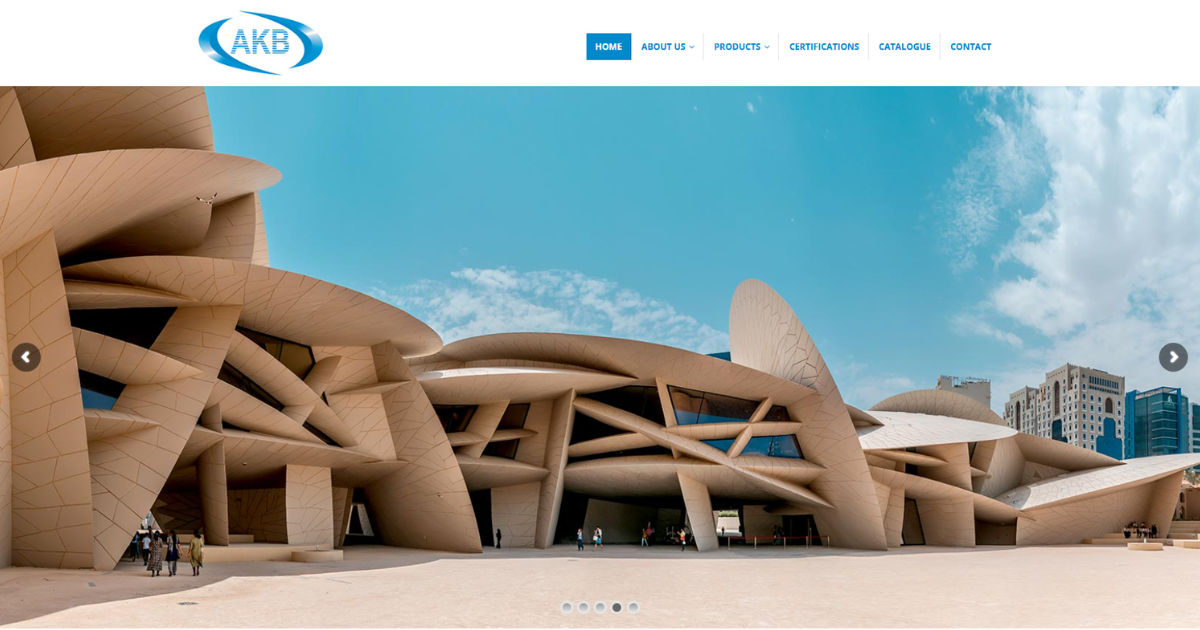
Akbari Engineering has been at the forefront of providing high-quality ACP solutions that combine durability, aesthetics, and functionality.
ACP, or Aluminium Composite Panels, are widely recognized in the construction industry for their versatility. They not only improve the external appearance of buildings but also protect structures from environmental damage.
In this guide, we will explore what ACP cladding panels are, their types, installation methods, benefits, maintenance, and much more, giving you a thorough understanding of this innovative construction material.
What Are ACP Cladding Panels?
Aluminium Composite Panels are made of two thin layers of aluminum sandwiching a non-aluminum core. This construction provides a combination of lightweight design, rigidity, and weather resistance. The panels are then coated with a finish that can range from matte, glossy, metallic, or even textured surfaces, allowing designers to achieve a wide variety of visual effects.
The ACP cladding panels system refers to the entire method of installing these panels on building exteriors. It includes the framework, attachment system, and the panels themselves. The system ensures that panels are securely fixed while allowing for expansion and contraction due to temperature changes.
Akbari Engineering ensures that all their ACP solutions comply with international quality standards, making their systems suitable for commercial, residential, and industrial buildings.
Components of an ACP Cladding System
A complete ACP cladding panels system involves several key components:
1. Aluminium Composite Panels
These are the core material and come in various thicknesses, typically ranging from 3mm to 6mm. The aluminum layers provide strength, while the core, which can be polyethylene or fire-retardant material, adds rigidity and insulation.
2. Sub-Frame or Support Structure
ACP panels are mounted on a sub-frame that is usually made of aluminum or galvanized steel. This frame provides stability and ensures that panels remain flat and aligned. It also helps in absorbing building movement caused by wind or thermal changes.
3. Fasteners and Fixing Systems
The panels are attached to the frame using rivets, screws, or specialized clips. Akbari Engineering uses high-quality fixing systems that guarantee both security and ease of maintenance.
4. Sealants and Adhesives
To prevent water leakage and improve the panel's resistance to weather, sealants are applied between joints. These sealants must be flexible to allow movement without cracking.
Types of ACP Panels
ACP panels come in various types depending on their core material, surface finish, and application.
1. Standard ACP Panels
These panels have a polyethylene core and are ideal for most commercial buildings. They are lightweight, cost-effective, and provide basic fire resistance.
2. Fire-Retardant ACP Panels
These panels are made with a special mineral-filled core that resists fire. They are essential for high-rise buildings and projects where safety regulations require non-combustible materials.
3. Solid Metal ACP Panels
For designs that require a metallic look without the weight of full aluminum sheets, solid metal ACP panels provide both durability and aesthetic appeal.
4. Textured and Decorative Panels
These panels are coated with finishes that mimic stone, wood, or other textures. They are perfect for architectural designs that require a unique look.
Benefits of ACP Cladding Panels
The ACP cladding panels system offers numerous advantages, making it a popular choice for architects and builders.
1. Aesthetic Appeal
ACP panels come in a wide range of colors, finishes, and textures. They allow designers to create visually striking facades that stand out in any environment. Akbari Engineering specializes in custom color solutions to match client requirements.
2. Lightweight Yet Strong
Despite their thin profile, ACP panels are extremely strong and can withstand high wind pressures, making them suitable for high-rise buildings.
3. Weather Resistance
ACP panels are resistant to rain, heat, and UV radiation. They help protect the building structure from moisture damage and corrosion.
4. Easy Installation
ACP panels are designed for quick and efficient installation. The cladding panels system allows for modular assembly, reducing construction time and labor costs.
5. Low Maintenance
The surface of ACP panels is easy to clean. Unlike paint or other facade materials, ACP does not require frequent upkeep, making it cost-effective in the long run.
6. Fire Safety
Fire-retardant ACP panels provide added protection in case of a fire. They comply with safety standards in commercial and residential projects.
Applications of ACP Cladding Panels
ACP cladding panels are versatile and can be used in various construction projects:
1. Commercial Buildings
ACP is widely used in shopping malls, office towers, and hotels for modern and sleek exteriors.
2. Residential Buildings
Homeowners increasingly prefer ACP cladding for villas and apartments due to its attractive finish and durability.
3. Industrial Buildings
Factories and warehouses benefit from ACP panels because they are lightweight, durable, and resistant to harsh weather conditions.
4. Interior Decoration
ACP is not limited to exteriors; it can also be used for interior wall panels, false ceilings, and partitions to give a polished, contemporary look.
Installation Process of ACP Cladding Panels
Installing an ACP cladding system requires careful planning and precision. Here’s a step-by-step overview:
Step 1: Site Preparation
Before installation, the building surface must be clean, dry, and even. Any structural issues should be addressed to ensure the frame can be securely mounted.
Step 2: Frame Installation
A sub-frame made of aluminum or steel is installed on the building exterior. This frame is anchored securely to the structural walls.
Step 3: Panel Alignment
ACP panels are placed on the frame and aligned correctly. Gaps between panels are carefully measured to allow for expansion and contraction.
Step 4: Fixing Panels
Panels are attached using screws, rivets, or clips. Akbari Engineering recommends using corrosion-resistant fasteners to ensure longevity.
Step 5: Sealing Joints
All panel joints are sealed with high-quality, flexible sealants to prevent water ingress and maintain the facade’s integrity.
Step 6: Inspection and Quality Check
Once installation is complete, a thorough inspection is conducted to ensure panels are aligned, secured, and free from defects.
Maintenance of ACP Cladding Panels
While ACP panels are low maintenance, some steps ensure their longevity:
-
Regular Cleaning: Use mild detergents and soft brushes to remove dirt and grime. Avoid abrasive materials that can damage the coating.
-
Inspection: Periodically check for loose panels or damaged sealants and replace them immediately.
-
Repair: Minor scratches or dents can be repaired using specialized touch-up paints and fillers.
-
Avoid Harsh Chemicals: Do not use acids or strong solvents, as they can damage the panel surface.
Akbari Engineering provides maintenance guidelines and services to ensure that ACP installations retain their aesthetic and functional properties for years.
Common Myths About ACP Panels
Despite their popularity, ACP panels are sometimes misunderstood. Let’s clarify a few myths:
Myth 1: ACP Panels Are Flammable
While standard ACP panels may contain polyethylene, modern fire-retardant options make them safe for high-rise construction.
Myth 2: ACP Panels Require High Maintenance
In reality, ACP panels are extremely easy to clean and maintain compared to painted surfaces or stone cladding.
Myth 3: ACP Panels Fade Quickly
High-quality ACP panels come with UV-resistant coatings that retain color and finish for decades.
Cost Factors of ACP Cladding Panels
The overall cost of an ACP cladding panels system depends on several factors:
-
Type of Panel: Fire-retardant or textured panels are more expensive than standard panels.
-
Thickness: Thicker panels provide better durability but increase material costs.
-
Installation Complexity: High-rise buildings or intricate designs require more labor and time.
-
Brand and Quality: Trusted brands like Akbari Engineering offer premium panels with long-term warranties.
Despite the initial cost, ACP cladding panels offer long-term value due to low maintenance, durability, and energy efficiency.
Environmental Impact and Sustainability
ACP panels are increasingly designed with sustainability in mind:
-
Recyclable Materials: Aluminium and composite cores can be recycled.
-
Energy Efficiency: ACP cladding can improve insulation, reducing heating and cooling costs.
-
Durability: Longer-lasting facades reduce the need for frequent replacements, conserving resources.
Choosing a reliable provider like Akbari Engineering ensures that sustainable practices are integrated into both production and installation.
Trends in ACP Cladding Panels
Modern architecture has embraced ACP panels for innovation:
-
3D Panel Designs: Panels with geometric patterns and textures.
-
Custom Colors: Wide color range, including metallic and matte finishes.
-
Integrated Lighting: Some ACP systems include backlit panels for aesthetic effects.
-
Smart Panels: Panels that improve energy efficiency or reduce noise pollution.
Conclusion
The ACP cladding panels system has revolutionized modern construction. Its combination of aesthetic versatility, durability, and low maintenance makes it a preferred choice for architects and builders worldwide. Companies like Akbari Engineering ensure that every aspect of the ACP system, from material selection to installation, meets the highest standards of quality and safety.
Whether you are planning a commercial tower, residential complex, or industrial facility, ACP panels provide an ideal solution for creating stunning, long-lasting exteriors. By understanding the components, installation process, benefits, and maintenance of ACP cladding systems, building owners and designers can make informed decisions that balance beauty, functionality, and safety.