
When it comes to interior design, choosing the right wall finishing is more than just picking a color or pattern. Texture plays a pivotal role in shaping the look and feel of any space.
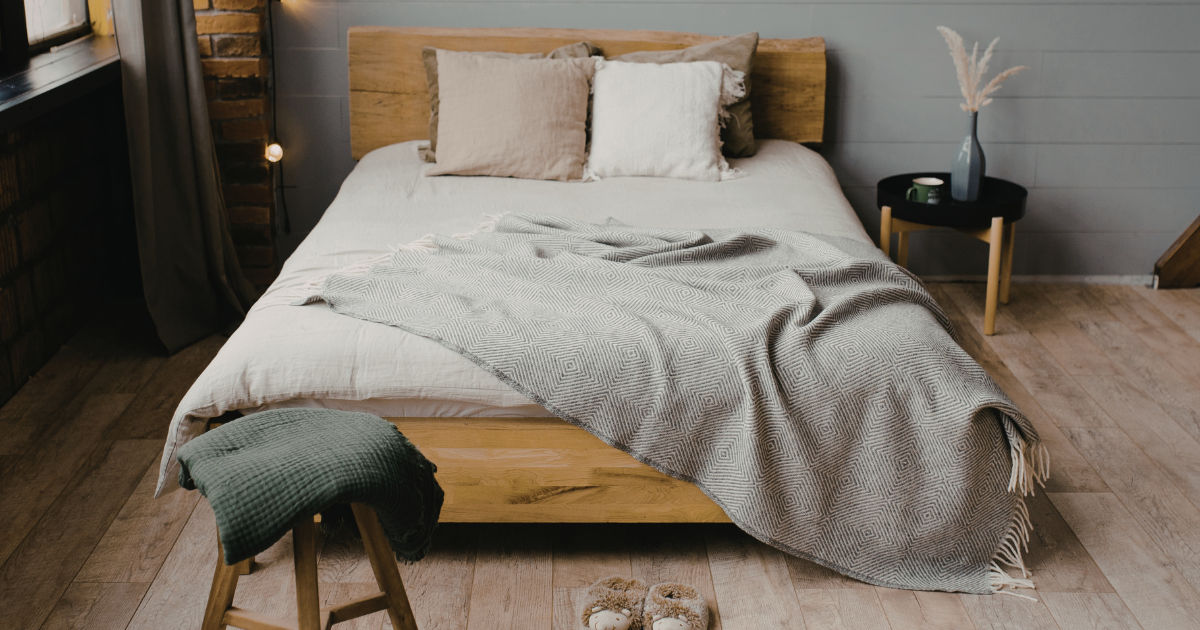 In the UAE, where modern architecture blends with traditional designs, Wall Covering UAE options are not only about aesthetics—they also reflect luxury, comfort, and functionality.
The texture of walls can dramatically influence the ambiance of a room, affect lighting, and even impact how a space is perceived in terms of size and warmth.
Wall textures range from smooth and sleek finishes to rough, patterned, or three-dimensional surfaces. Each texture tells a story, enhances mood, and can even influence the room’s acoustic qualities.
Understanding why texture matters is essential for homeowners, designers, and builders looking to elevate interior spaces in the UAE.
How Texture Transforms Spaces
Texture is a powerful design tool. Unlike colors or patterns that primarily appeal to sight, texture engages multiple senses. The tactile sensation of a textured wall can add depth, character, and sophistication to interiors.
For example, a smooth, glossy wall reflects light, creating an airy and open feel ideal for compact apartments in Dubai or Abu Dhabi. On the other hand, textured walls such as embossed wallpapers or stone-like finishes add warmth and richness, making spaces feel cozy and inviting.
In Wall Covering UAE, textures are often used strategically. Feature walls, accent areas, and ceilings are ideal candidates for textured finishes. Using texture intelligently can create a focal point, balance minimalistic décor, and complement architectural elements such as arches or recessed lighting.
Types of Wall Textures Popular in the UAE
In the UAE, the interior design market is diverse, offering a variety of textures to suit different tastes. Here are the most popular wall texture types:
Smooth Finishes
Smooth textures are classic and timeless. They provide a clean, modern appearance and are easy to maintain. They work well in contemporary apartments and office spaces. Smooth finishes are often achieved using plaster, skim coats, or high-quality paints that provide a satin or matte look.
Patterned and Embossed Textures
Patterned textures add an artistic touch to interiors. Embossed wallpapers and 3D panels can mimic materials like stone, wood, or fabric. They offer a sense of depth and make walls visually interesting. These textures are popular in luxury homes and high-end commercial spaces.
Stucco and Venetian Plaster
Stucco and Venetian plaster create a Mediterranean or Middle Eastern aesthetic, which resonates well in the UAE. These textures offer a subtle, elegant finish with slight variations in tone, giving walls a handcrafted feel. Stucco is durable and works well in both indoor and outdoor applications.
Fabric and Natural Materials
Textured wall coverings made from natural fibers, bamboo, or woven materials are gaining popularity. They add warmth, improve acoustics, and create a unique tactile experience. For those seeking sustainable options, these materials are eco-friendly while adding a rich sensory dimension.
Functional Benefits of Textured Wall Coverings
While texture primarily enhances visual appeal, it also has practical advantages:
Hides Imperfections
Textured walls are excellent at concealing surface flaws. Cracks, uneven surfaces, or minor dents are less noticeable when a wall has a textured finish. This makes it ideal for older buildings or walls with irregularities.
Improves Acoustics
Certain wall textures absorb sound, reducing echo in large rooms or open-plan spaces. Materials like fabric panels or rough plaster textures contribute to better acoustics, enhancing the comfort of residential and commercial spaces alike.
Enhances Durability
Some textured finishes add an extra layer of protection. Stone-effect plasters, stucco, and 3D panels can resist minor impacts better than flat painted walls. This durability is particularly useful in high-traffic areas, common in UAE commercial establishments.
Influences Lighting
Wall texture interacts with light in unique ways. Glossy surfaces reflect light and brighten rooms, while rough textures create shadows and depth. Strategic use of lighting with textured walls can elevate the aesthetic appeal of interiors significantly.
Choosing the Right Texture for Your Space
Selecting the perfect texture requires careful consideration of various factors:
Purpose of the Room
Consider how the room will be used. For living rooms or lounges, textured feature walls or fabric panels add sophistication. Bedrooms benefit from softer, subtle textures that promote relaxation. Kitchens and bathrooms require durable and moisture-resistant textures.
Size of the Space
Texture can visually alter the perception of room size. Light, smooth textures can make small rooms appear larger, while heavy, dark, or highly textured walls can make spacious areas feel cozy and intimate.
Lighting Conditions
Natural and artificial lighting can change the appearance of textures. Walls with high-relief textures cast shadows that vary throughout the day, creating dynamic visual effects. Designers in the UAE often incorporate indirect LED lighting to enhance textured walls.
Existing Decor and Style
Texture should complement the existing interior style. Modern minimalistic spaces benefit from subtle textures or 3D geometric panels, while traditional Arabic designs pair beautifully with stucco, plaster, or patterned wallpapers.
Popular Wall Covering UAE Materials for Texture
The UAE market offers a wide selection of wall coverings to create desired textures. Some of the most sought-after materials include:
Vinyl and Non-Woven Wallpapers
Vinyl wallpapers are durable, easy to clean, and available in various textures, from smooth to embossed. Non-woven wallpapers are eco-friendly, breathable, and suitable for high-end interiors.
Plaster and Skim Coat Finishes
Plaster allows endless creative possibilities. Venetian plaster, tadelakt, and stucco can be applied in layers to create unique textures. Skim coats provide a uniform smoothness, ideal for contemporary spaces.
Fabric Panels
Fabric wall panels improve acoustics and add warmth. They are available in multiple textures, including velvet, linen, and wool blends. Fabric panels are particularly effective in luxury lounges and home theaters.
3D Wall Panels
3D panels are a modern solution to add texture quickly. Available in PVC, gypsum, or MDF, they offer patterns ranging from geometric to organic shapes. They are lightweight, easy to install, and versatile for residential and commercial projects.
Natural Stone and Wood
Stone cladding and wood panels provide a rustic, elegant touch. These materials are durable, low-maintenance, and create a tactile experience that blends traditional and contemporary aesthetics.
Maintenance Tips for Textured Walls
Maintaining textured walls requires more attention than smooth painted surfaces:
-
Dust Regularly: Use a soft brush or vacuum with a brush attachment to remove dust from grooves and patterns.
-
Spot Clean Carefully: Avoid harsh chemicals. Mild detergent solutions work best for cleaning textured surfaces.
-
Protect Against Moisture: For textured walls in kitchens or bathrooms, ensure proper sealing to prevent mold and damage.
-
Repair Smartly: Small cracks or chips in textured surfaces can often be fixed with touch-up plaster or paint, but maintaining consistency may require professional help.
Trends in Wall Texture Design in the UAE
The UAE interior design market is dynamic, constantly adapting to global trends while maintaining local cultural influences. Current trends include:
-
Luxury Minimalism: Smooth textures combined with muted tones for an elegant, understated look.
-
Bold 3D Walls: Feature walls using geometric 3D panels to create visual drama.
-
Natural and Eco-Friendly Textures: Sustainable materials like bamboo, cork, and recycled fabrics gaining popularity.
-
Traditional Meets Modern: Incorporating stucco, Moroccan tiles, and plaster textures with modern furniture and décor.
-
Metallic Finishes: Shiny, textured metallic wall coverings for contemporary commercial spaces.
These trends reflect the UAE’s emphasis on luxury, innovation, and individuality, showing how texture can be a statement feature in interior design.
Common Mistakes to Avoid with Wall Textures
While texture can enhance interiors, improper use may reduce its impact:
-
Overloading a Room: Too many textured surfaces can make a room feel cluttered. Focus on feature walls or key areas.
-
Ignoring Lighting: Without proper lighting, textures may look flat or unappealing. Consider wall washes or indirect lights.
-
Choosing the Wrong Material: High-moisture areas require durable, moisture-resistant textures. Using delicate materials may lead to damage.
-
Neglecting Maintenance: Textured walls need regular upkeep; ignoring maintenance can reduce their appeal over time.
Avoiding these mistakes ensures that textured walls remain beautiful and functional for years.
How Wall Texture Impacts Property Value in UAE
Well-designed interiors with thoughtful texture choices can significantly enhance property value. Prospective buyers or tenants are often attracted to luxurious finishes and visually appealing spaces. In high-end apartments and villas in Dubai, Abu Dhabi, and Sharjah, textured walls convey sophistication, attention to detail, and a sense of premium quality.
Investing in high-quality Wall Covering UAE materials not only improves aesthetics but also boosts durability, reduces long-term maintenance costs, and can make a property stand out in a competitive market.
Conclusion
Texture in wall coverings is far more than a decorative choice; it is a fundamental element of interior design that affects aesthetics, functionality, and even property value. From smooth, minimalist finishes to richly patterned, 3D surfaces, the variety of textures available in Wall Covering UAE caters to every taste and purpose.
Understanding the interplay between texture, lighting, space, and materials allows homeowners, designers, and builders to create environments that are visually stunning, practical, and comfortable. Thoughtful use of texture can transform ordinary walls into immersive experiences, elevate interior design, and leave a lasting impression on anyone who enters the space.
By considering room function, lighting, existing décor, and maintenance, UAE residents can select wall textures that not only enhance beauty but also serve practical needs. Whether it’s a luxurious villa, a corporate office, or a modern apartment, texture is a subtle yet powerful tool that turns walls into statements of style and sophistication.
In the ever-evolving UAE interior design market, embracing the right textures ensures spaces are timeless, elegant, and perfectly suited to modern lifestyles.